

Avoid These Mistakes When Choosing the Width of Your Rosin Press Bag

Cannabis enthusiast and student of the art of solventless extraction
Bag width might be a factor that’s easy to overlook, but it’s probably worth more attention than you’re giving it. The conversation about rosin bags almost always centers on micron selection. Which micron is right for bubble hash? What about flower? Should I go tighter for better quality or open it up for more yield? These are all legitimate questions, and micron selection genuinely matters. But bag width causes far more preventable problems at the press.
Choosing the wrong bag width for your setup and your load is one of the most common and costly mistakes in rosin pressing. It affects yield, formation, heat distribution, fold integrity, and blowout risk. Getting it right is not complicated, but it does require understanding a few key relationships between your bag, your plates, and your starting material.
Here is what you need to keep in mind when choosing the right bag width.
How To Match Your Bag Width To Your Plate Footprint
The most foundational rule in bag sizing is this: your filled bag needs to sit entirely within the footprint of your rosin press plates, with adequate clearance on all sides. A good general target is roughly one inch of space between the edge of your filled bag and the edge of your plates.
When a bag extends beyond the plate footprint, the press cannot apply even pressure across the entire surface of the material. The portions of the bag that hang past the plates receive no direct pressure, while the portions sitting under the plates absorb it all. That imbalance creates unpredictable rosin flow, increases stress on the bag's seams, and dramatically raises the likelihood of a blowout.
As a practical reference, a 2x4 inch bag is a good fit for 3x5 inch plates. A 3x5 inch bag pairs well with 4x7 inch plates. The pattern holds that you should choose a bag that leaves your plates room to work.
The Real Cost of Overfilling a Narrow Bag
One of the most common mistakes that follows from choosing the wrong bag width is overfilling. When a bag is too narrow for the amount of material being pressed, the temptation is to pack more material in vertically, stuffing the bag beyond its intended capacity. This is a reliable way to ruin a press.
An overfilled bag creates uneven geometry. Instead of a flat, consistent package that receives uniform pressure from plate to plate, the bag becomes thick and irregular. As pressure builds, rosin has to fight its way through a dense, poorly formed mass. The flow becomes turbulent rather than steady, and pressure spikes inside the bag faster than the filter can manage. When that internal pressure exceeds what the seams can hold, the bag blows out.

For bubble hash in particular, the stakes are even higher. Hash rosin produces a significantly greater volume of oil relative to the starting material than flower rosin does. That oil needs a clear and consistent path out of the bag. An overstuffed, misshapen puck obstructs that path. The result is excessive internal pressure that overwhelms the filter, and the rosin escapes the only other way it can: through the seams.
Beyond blowout risk, overfilling compromises quality. Uneven puck density means uneven extraction. Parts of your hash may be over-pressed while others are barely touched, leading to inconsistent rosin and lower overall yield from your starting material.
Too Much Bag Is Its Own Problem
The opposite mistake is less discussed but equally worth avoiding. When a bag is significantly wider than your load requires, you end up with a puck that does not fill the available surface area of the bag. During pressing, that underfilled bag produces an uneven, poorly formed puck with inconsistent thickness across its surface.
Uneven thickness means uneven pressure. Areas where the material is thinner receive disproportionate heat contact and may over-extract or scorch, while thicker areas may not extract fully. Rosin can also pool in unused mesh zones at the edges of the bag rather than flowing cleanly toward the parchment, leaving yield behind inside the filter.
The takeaway is straightforward: match your bag width to the load you are pressing. A properly filled bag should form a flat, even puck with uniform thickness and a clean fold at the top. If your bag looks half-empty after loading, size down.
Width Affects Your Fold, and Your Fold Affects Everything
One underappreciated consequence of poor bag width selection is what it does to your ability to fold and seal the bag properly before pressing. A bag that is too wide for your load leaves excess material at the top that becomes difficult to fold cleanly and securely. That loose, irregular fold is a structural weak point.
Most blowouts that occur at the open end of a bag trace back to exactly this problem. A tight, consistent fold keeps the bag closed under pressure and directs rosin flow toward the sides and bottom of the puck rather than allowing it to escape through the top. Using a pre-press mold before loading the plates helps enormously here. A good pre-press mold compresses your starting material into a uniform brick that fits the bag cleanly, makes for a flat, even puck, and allows for a secure, consistent fold every time.
Hash and Flower Fill Differently
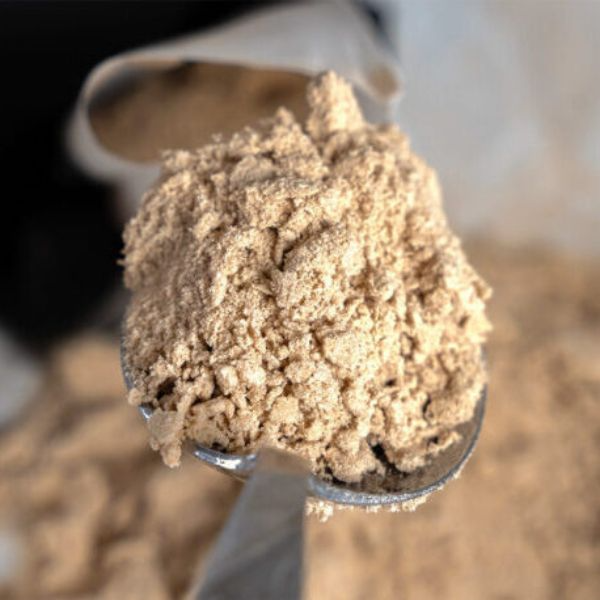
One more variable worth understanding is that bubble hash and cannabis flower fill rosin press bags very differently, even at the same gram weight. Hash, particularly well-dried and properly cured material, is a dense and relatively fine material. It packs tightly and can fill a narrower bag adequately at weights that would leave a flower bag looking sparse.
Flower, by contrast, is bulky and compressible. Whole buds take up significant volume before the pre-press mold does its work. This means that the same bag width that handles a given weight of hash may be too narrow for the same weight of flower before pre-pressing, or too wide for hash if you are sizing based on what worked for your flower runs.
The practical approach is to select your bag width based on the specific material you are pressing and the actual volume it occupies in a pre-pressed puck, not simply by gram weight alone. When in doubt, err toward a slightly smaller bag and split your material across two presses rather than forcing too much into one.
Conclusion
Getting bag width right pays off.
Micron selection will always be central to rosin bag conversations, and rightfully so. But bag width is the variable that determines whether your micron selection even gets a fair chance to perform. A well-matched bag, properly filled and cleanly folded, gives your press the best possible conditions to produce clean, consistent, high-quality rosin with every run.
Take the time to match your bag width to your plate footprint and your load. Use a pre-press mold to create a uniform puck. Size down before you size up. These are simple decisions that protect your starting material, your equipment, and the quality of what ends up on your parchment.
The Press Club carries rosin press bags in a full range of sizes and micron ratings, all manufactured in the USA from FDA-approved, food-grade nylon. Find the right bag for your setup here.
Thoughts? Let us know by joining our secret Facebook group. Hang out with a community of like-minded solventless heads like yourself. Ask our head extractor questions, share your latest press and learn from hobbyists and experts in the industry.

Leave a comment
Please note, comments must be approved before they are published