

Avoiding These Common Mistakes Will Optimize Your Solventless Operations

Todde Philips
🇺🇸 Retired veteran, father, rock-climbing expert & rosin connoisseur.
The solventless cannabis market is booming, with hash and rosin seeing premium prices at dispensaries. Consumers are becoming increasingly educated about quality. But the challenge remains in producing consistent, top-tier solventless concentrates that requires precision at every stage. Small mistakes can cascade into serious quality issues, turning what should be premium product into mid output.
Whether you're running a home setup or managing a commercial operation, understanding where extractors commonly go wrong can save you time, money, and countless headaches. In this article, we'll walk through the most frequent pitfalls in solventless production and show you how to avoid them. After all, your material deserves the best treatment possible.
Getting Agitation Wrong During Washing
One of the most common mistakes in bubble hash production happens right at the start: improper agitation. Many extractors believe that more vigorous mixing will yield more trichomes. While aggressive agitation might boost your numbers initially, it comes at a steep cost to quality.
When you over-agitate your material, you're essentially pulverizing the plant matter. This releases chlorophyll and other contaminants into the water, which then get filtered through your bubble bags along with the trichomes. The result? Green hash instead of the golden or white resin heads you're after. Once chlorophyll makes it into your bubble hash, there's no removing it.
The solution is patience. Gentle, controlled agitation allows trichomes to break free cleanly without destroying the plant structure. If you're washing by hand, use smooth, consistent stirring motions. If you're using automated equipment, follow the manufacturer's recommendations for speed and duration. Quality always beats quantity in the solventless game.
Fumbling Temperature Control
Temperature management might be the single most critical factor in ice water extraction, yet it's where many hash makers cut corners. The goal is simple: keep your water as close to freezing as possible without actually freezing solid.
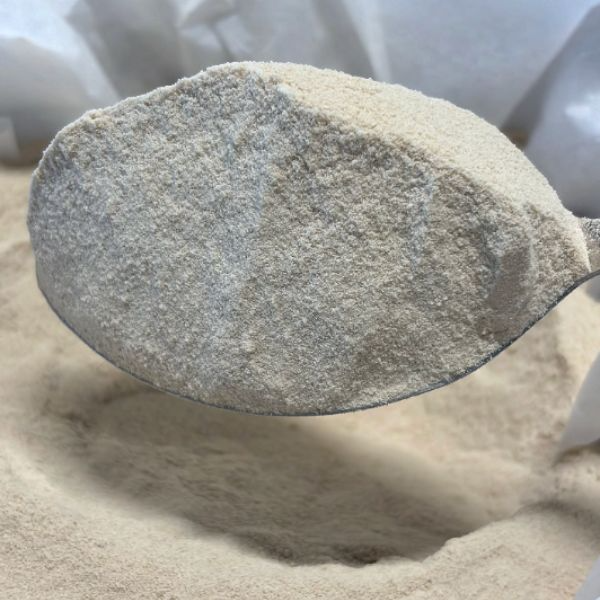
When water temperatures rise even a few degrees, trichome heads become softer and more prone to rupturing. Warm water can cause the protective membrane around trichomes to break, releasing the valuable resin inside before you've collected it. Cold water keeps trichomes brittle so they snap off cleanly and remain intact during filtration.
Here's where extractors often stumble. Some add too much ice, thinking colder is always better. But excessive ice creates its own problems. Ice cubes have rough, uneven surfaces with pits and crevices that can trap trichome heads, reducing your yield. Plus, all that ice takes up valuable space in your vessel, limiting how much material you can process per batch.
Read more in our article about Fluid Dynamics and Ice Water Extraction.
The alternative approach is going iceless with pre-chilled water, insulated vessels, and proper temperature monitoring. This gives you more control and consistency while eliminating the risk of ice damaging your material or catching precious resin heads.
Rushing or Botching the Drying Process
After a successful wash, many extractors breathe a sigh of relief and assume the hard part is over. But improper drying is where good hash goes bad.
Bubble hash that dries too slowly in humid conditions becomes a breeding ground for mold and bacteria. On the flip side, hash that dries too quickly or at too high a temperature will lose its volatile terpenes, resulting in a product that looks fine but smells and tastes flat.
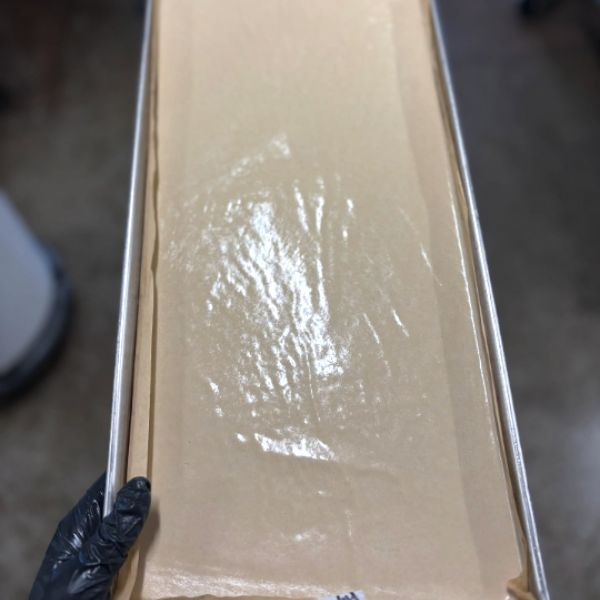
Freeze dryers have become the gold standard for commercial operations because they deliver precise moisture removal while preserving the aromatic compounds that make hash special. If you don't have access to a freeze dryer, you need to be meticulous about your drying environment. Use proper air circulation, maintain cool temperatures, and monitor humidity levels closely.
And don't forget about storage. Once dried, your bubble hash should be kept in a cool, humidity-controlled environment until you're ready to press it or package it for sale.
Making Critical Mistakes When Pressing
Moving from bubble hash to rosin requires another level of precision, and this is where a new set of costly errors can be all too common.
First, there's the moisture issue. Hash that's too dry will yield less rosin and may produce a crumbly texture. Hash that's too moist can cause the rosin to bubble and spit during pressing, leading to terpene loss and inconsistent texture. Finding that sweet spot of moisture content takes practice and careful monitoring.
Second, many extractors fail to match their press settings to the quality of their starting material. High-grade full-melt hash requires lower temperatures to preserve its delicate terpene profile. Lower-quality hash may need more heat and pressure to achieve decent yields, but this often comes at the expense of flavor and aroma.
Third, skipping the pre-press step is a common shortcut that backfires. Pre-pressing your hash into uniform pucks before placing it between heated plates reduces the risk of blowouts and ensures even pressure distribution. It's a small step that makes a significant difference in consistency.
Finally, equipment maintenance matters. Failing to clean your press plates between runs or applying uneven pressure across the puck will result in channeling, inconsistent yields, and off-flavors. Treat your equipment with respect and it will reward you with better results.
Overlooking Quality Control and Documentation
Here's a mistake that doesn't happen at a single stage but undermines your entire operation: failing to document your process and maintain quality standards.
Every cultivar responds differently to washing and pressing. What works perfectly for one strain might fail spectacularly with another. Successful solventless producers keep detailed records of their processes including water temperatures, agitation times, micron bag selections, press temperatures, pressure levels, and moisture content.
This documentation allows you to refine your technique over time and achieve consistency, which is what separates professional operations from amateur ones. When something goes wrong or when something goes exceptionally right, you'll know exactly why.
Conclusion
Solventless extraction rewards attention to detail. While the process might seem straightforward on paper, the difference between good hash and exceptional hash often comes down to avoiding the common pitfalls we've discussed here.
By maintaining proper agitation intensity, controlling your temperatures precisely, drying your hash correctly, and dialing in your press parameters, you'll consistently produce solventless concentrates that command premium prices and build customer loyalty.
At The Press Club, we're committed to supporting hash makers at every level with high-quality, American-made equipment designed for reliability and consistency. Whether you're looking for durable bubble wash bags, precision rosin bags, or other essential accessories, we've got you covered. Because when you're working hard to avoid mistakes and optimize your process, your equipment should never be the weak link.
Thoughts? Let us know by joining our secret Facebook group. Hang out with a community of like-minded solventless heads like yourself. Ask our head extractor questions, share your latest press and learn from hobbyists and experts in the industry.

Leave a comment
Please note, comments must be approved before they are published