

Best Cultivars for Solventless Extraction in 2026: What the Pressing Community Is Chasing
Not every cannabis plant is built for the wash. In solventless extraction, there's no chemistry to rescue a mediocre cultivar — no butane or CO2 to strip a clean concentrate out of thin, brittle trichome heads. What comes off the plant is, more or less, what ends up in the jar. That's why cultivar selection has become one of the most obsessed-over variables in the solventless world, and why the conversation around which strains are "press-worthy" keeps getting louder heading into the back half of 2026.
Here's a look at what actually makes a cultivar worth washing this year, and the genetic trends the pressing community keeps circling back to.
What Makes a Cultivar “Press-Worthy”?
Before getting into specific genetics, it helps to know what growers and hash makers are actually screening for. It's rarely just THC percentage — that number tells you almost nothing about how a plant will wash or press.
Trichome Head Size and Density
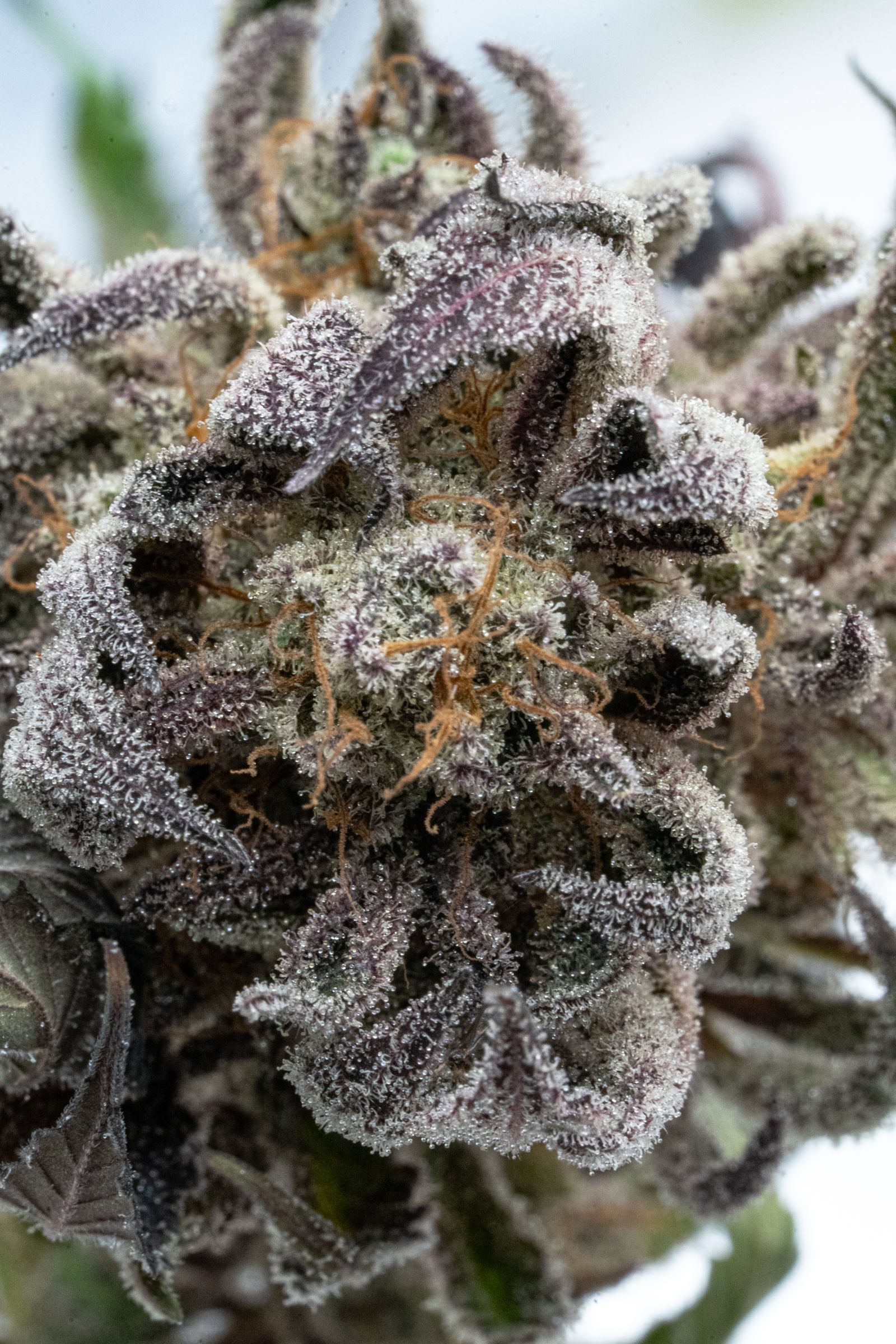
Bigger, more uniform gland heads generally mean better yield and a cleaner melt. Growers scouting cuts for solventless production are looking at trichome coverage under a loupe or microscope well before harvest, checking for large, amber-capped glands packed tightly across the calyx rather than sparse, uneven frost.
Terpene Stability Under Wash and Pressure
A cultivar can smell incredible in the jar and still fall apart under ice water or heat. The strains earning reputations right now are the ones that hold onto their terpene profile through freezing, agitation, and pressing — not just the ones that smell loudest at harvest.
Structure, Trim, and Mold Resistance
Dense, tight colas that trap moisture are a liability for anyone washing fresh-frozen material. Cultivars with airier structure and stronger natural mold resistance are increasingly favored, especially by growers in humid climates who can't afford a crop loss right before a wash.
The Genetic Trends the Community Is Chasing Right Now
A few lineages keep showing up in cuts being sourced specifically for hash and rosin production this year.
Garlic and Gas-Forward Crosses
GMO-lineage genetics — the garlicky, fuel-heavy crosses descended from that family — continue to dominate solventless conversations. These cuts tend to bring dense resin production paired with loud, savory terpene profiles that translate well into rosin.
Dessert and Cookie Lineages
Gelato- and Cookies-descended genetics remain a reliable well for pressers chasing sweet, creamy terp profiles with consistently frosty phenotypes. These lineages have been bred and re-bred for trichome production for years, and it shows in wash return.
Tropical and Fruit-Forward Terp Specialists
Papaya, guava, and other tropical fruit-driven crosses are seeing renewed interest from pressers looking to diversify beyond the gas-and-dessert dominated market, betting that unique, brighter terpene profiles will stand out in an increasingly crowded rosin case.
The Triploid Question
A smaller but growing conversation is happening around triploid genetics — plants bred with an extra set of chromosomes, which some breeders report can boost resin gland yield by a meaningful margin over standard diploid plants. It's still a niche corner of the seed market, but it's one solventless-focused growers are watching closely as a possible yield lever.
Matching Genetics to Your Wash
If you're sourcing biomass rather than growing it yourself, a few habits go a long way: ask for trichome photos or a loupe shot before committing to a batch, run a small test wash before buying in bulk, and prioritize freshly frozen material over anything that's sat around and started degrading. Genetics set the ceiling, but handling from harvest to freezer determines how much of that ceiling you actually reach.
The cultivars on top of the list will keep shifting — that's the nature of a market this fast-moving. But the fundamentals stay the same: big, stable trichome heads, terpenes that survive the process, and structure that doesn't fight you at the wash station. Chase those, and the rest tends to follow.
Leave a comment
Please note, comments must be approved before they are published