

Can You Reuse Biomass After Washing Bubble Hash?

Cannabis enthusiast and student of the art of solventless extraction
The wash is finished. Your bubble wash bags have done their job, the collection trays are full, and the freeze dryer is loaded. And over in the corner sits a pile of wet, spent cannabis material that passed through the whole process. It gave up its trichomes, and now it looks like it has nothing left to offer.
Enter the spent material question.
The question hash makers ask at this point is a practical one: is there anything left worth working with, or is it just compost?
The short answer is that it depends. Spent wash biomass almost always carries some residual value, but what you do with it should be driven by your setup, your scale, and an honest look at the economics. Here is a straightforward breakdown to help you think it through.
Why Spent Biomass Still Carries Value
Ice water extraction is highly efficient, but it is never perfect. Depending on the quality of your starting material, your wash technique, and how many passes you run, spent biomass can retain somewhere in the range of 5 to 7 percent of its original cannabinoid content. Some trichome heads never dislodge cleanly from the plant tissue. Others get trapped and do not make it through the bags. Residual resin glands cling to surface area no matter how thorough the wash.
That means the pile in the corner is not empty. It is diminished, but it is not done.
This is true for both fresh frozen and cured starting materials, though the ceiling on residual value is set the moment you choose your input. High-quality fresh frozen from a wash-forward cultivar will leave richer residuals than bulk trim or lower-grade dry material. Whatever your leftover becomes, it cannot exceed what the starting material allowed.
Running Additional Washes
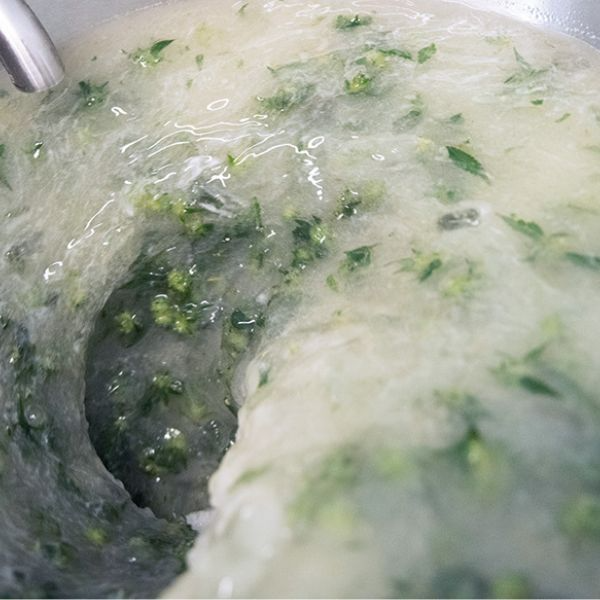
The simplest and lowest-cost path is to wash the spent material again. A second or even third pass through cold water can still pull commodity-grade hash, particularly if your first wash was efficient and the starting material was strong. Expect yields to drop considerably on each subsequent pass, often falling below one percent by weight on a third run, and quality will follow that same downward curve.
Some operators run as many as five or six washes on resin-dense biomass before the math stops making sense. The key is to actually track your yields run by run so you know where your personal point of diminishing returns lands. Guessing leaves hash on the table.
One practical note: keep a dedicated set of bubble wash bags for your rewash workflow. Running commodity-grade spent material through your primary bags adds unnecessary wear and potential contamination risk to the tools you rely on for your top-shelf product.
Pressing Spent Material into Commodity Rosin
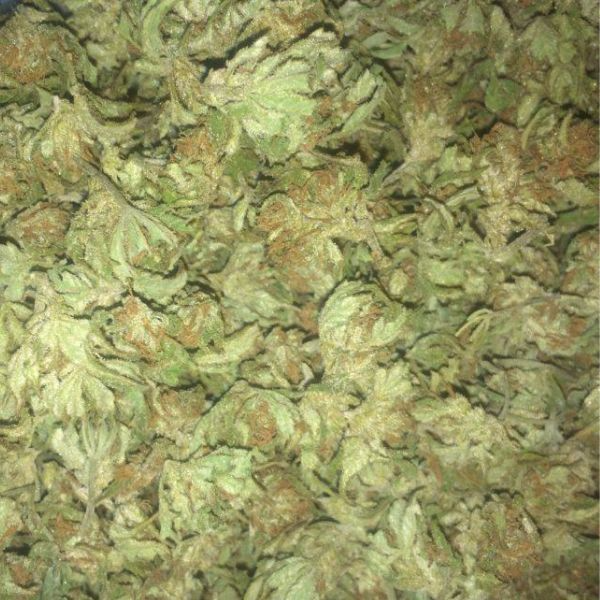
Hash collected from a second or third wash can be pressed into rosin, though it lives in a different tier than what comes off your primary run. This is infusion-grade material, well-suited for edibles, infused pre-rolls, and similar applications. It is not the product you put in your top-shelf jars, but it has a legitimate place in the market and a real path to value recovery.
Before you press, make sure your rewash hash is fully stable. Running it through a proper freeze dryer cycle prevents moisture issues that hurt both yield and shelf life. Bag selection matters here too. The right micron for commodity rosin work is worth dialing in separately from your premium pressing workflow.
Selling Into the B2B Market
If you do not want to press it yourself, there is a functioning wholesale market for bulk hash and rosin as infusion material. Licensed edible manufacturers, pre-roll brands, and beverage companies all source this tier of product directly from hash makers. The pricing is market-dependent and shifts with local wholesale conditions, but moving volume to a consistent buyer can make more sense than chasing retail margins on lower-grade material.
This path also avoids additional processing time and equipment on your end, which matters for smaller operations where labor and throughput constraints are real considerations.
When Composting Is the Right Answer
In highly saturated wholesale markets, the economics of spent biomass recapture do not always pencil out. Freight, handling, and processing costs can eat into margins that are already thin, and it is worth running your own numbers honestly before committing to a recapture workflow.
Composting is a legitimate outcome. Spent cannabis biomass breaks down cleanly because it has not been treated with hydrocarbon solvents, and licensed cultivators or in-house grow operations will sometimes take the material directly. In some jurisdictions, diverting waste from landfill also offsets hauling costs. It is not a revenue play, but it is not nothing either.
A Few Things to Avoid
Wet spent biomass degrades fast at ambient temperature. Mold and microbial contamination will eliminate any downstream value within a day or two, so cold storage is essential if you plan to do anything useful with the material. Get it into a freezer quickly after the wash is complete.
In licensed markets, spent biomass is tracked product, not trash. Disposing of it without proper documentation is a compliance issue. Know your state's requirements and treat the material accordingly from the moment it leaves the wash vessel.
Making It Part of the Plan
The hash makers who consistently recover value from spent biomass treat it as part of the process from the start, not an afterthought at the end of the wash day. That means tracking residual yields across runs, choosing one primary recapture path that fits your scale and equipment, and revisiting the economics periodically as market conditions shift.
The biggest lever, though, is still on the front end. The more efficiently you wash your starting material, the less pressure there is on the recapture math. Strong technique, proper water temperatures, and quality bubble wash bags that hold up across runs all contribute to getting more out of the primary wash before the question of spent biomass even comes up.
Thoughts? Let us know by joining our secret Facebook group. Hang out with a community of like-minded solventless heads like yourself. Ask our head extractor questions, share your latest press and learn from hobbyists and experts in the industry.

Leave a comment
Please note, comments must be approved before they are published