

Hash Rosin vs. Distillate: Why Solventless Is Winning in 2026
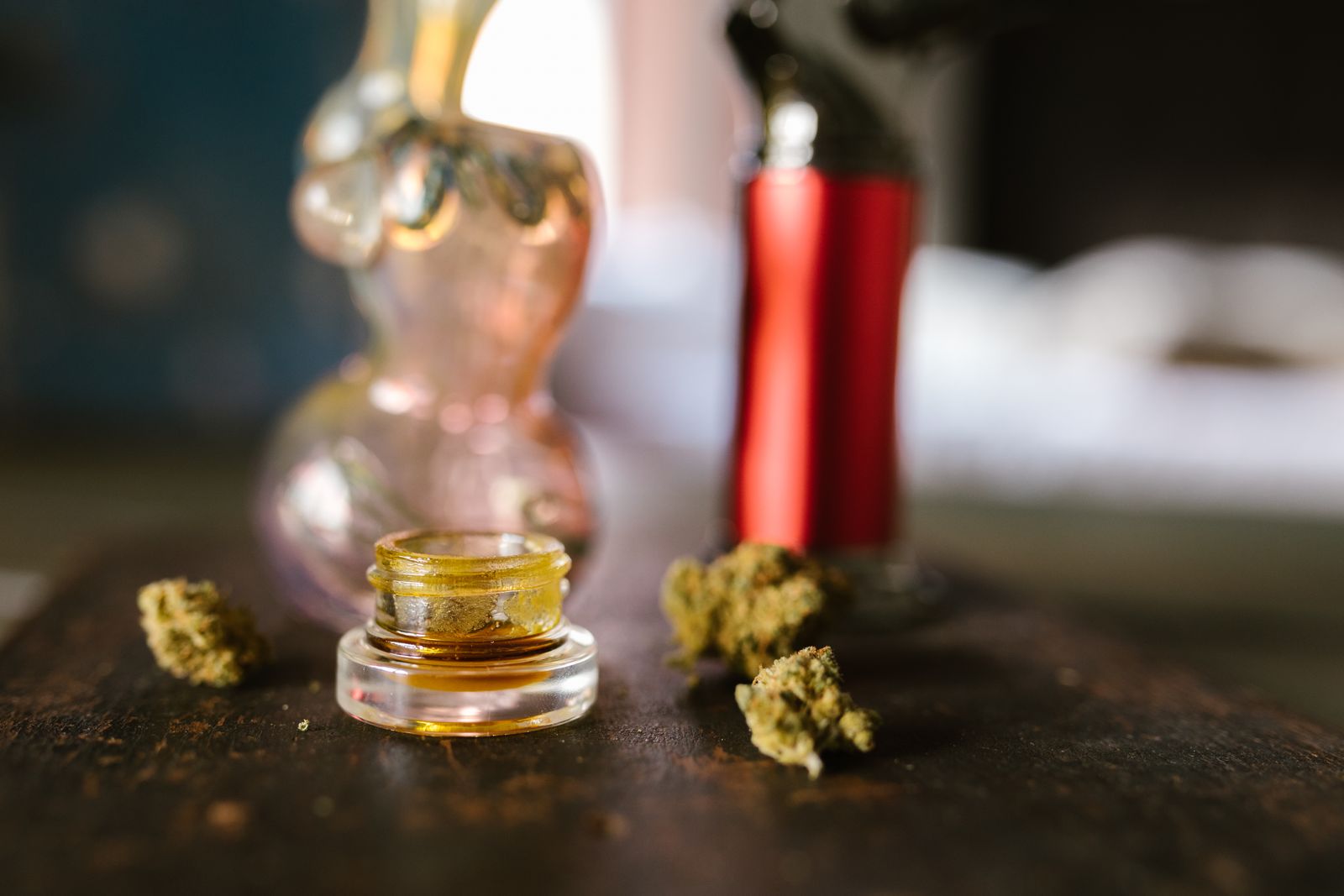
Walk through any dispensary case in 2026 and the shift is obvious: hash rosin is taking up more shelf space, more top-shelf pricing, and more conversation than distillate ever managed. Both are cannabis concentrates chasing the same goal — potent, flavorful extract — but they get there in almost opposite ways. One relies on chemical solvents and industrial refinement. The other relies on nothing but ice water, mesh screens, heat, and pressure. As more consumers ask what's actually in their concentrate, that difference is turning into a full-on market shift toward solventless extraction.
What Actually Separates Hash Rosin from Distillate
Distillate starts with a solvent-based extraction (commonly butane, propane, or CO2) that strips cannabinoids and terpenes from plant material, then runs the crude oil through a short-path distillation process. The result is a nearly pure, often flavorless stream of THC or CBD that manufacturers frequently re-infuse with terpenes to restore taste and aroma.
Hash rosin skips solvents entirely. Cannabis flower is first washed in ice water to separate the trichome heads — the resin glands that hold cannabinoids and terpenes — from the plant material, creating what's known as bubble hash. That hash is then dried, cured, and pressed under heat and pressure, squeezing out a golden, terpene-rich oil: hash rosin. No chemicals touch the plant at any point in the process.
The Purity Argument: No Solvents, No Compromises
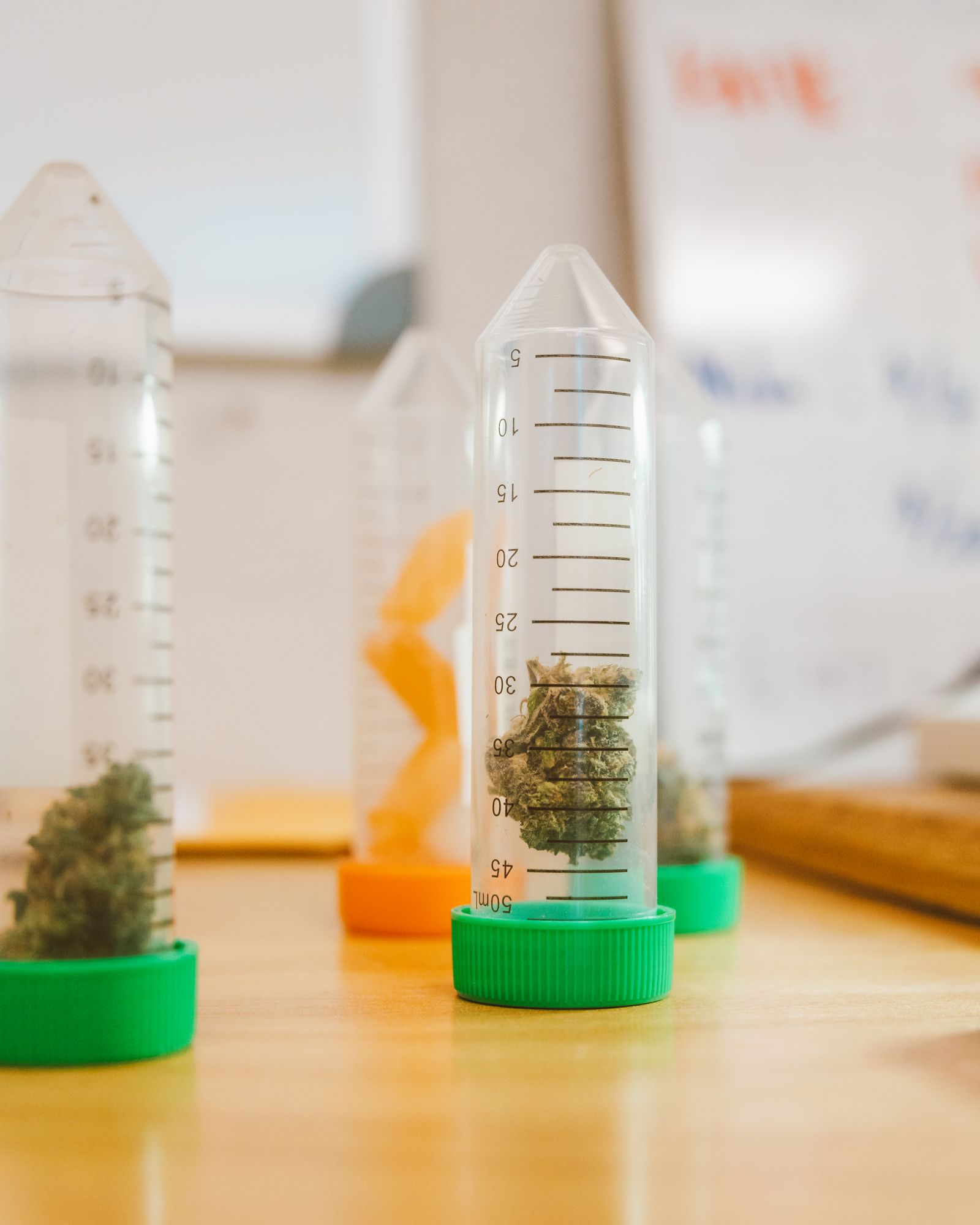
This is the single biggest reason solventless has gained so much ground. Even well-regulated solvent-based extraction requires purging residual chemicals down to trace levels — and while licensed producers test for and meet legal limits, plenty of consumers would simply rather not introduce the question at all. Hash rosin removes it from the equation. Because the entire process is mechanical (water, ice, heat, pressure) rather than chemical, there's no purge step, no solvent residue testing threshold to hit, and no re-infused terpenes standing in for what the plant naturally produced.
For a growing segment of the market, that mechanical simplicity reads as authenticity — an extract that's closer to the flower it came from, not a manufactured re-creation of it.
Flavor and Terpene Preservation
Distillate's biggest weakness has always been flavor. The distillation process that achieves near-100% cannabinoid purity also strips out the volatile terpenes responsible for taste and aroma, which is why most distillate products taste like almost nothing until terpenes are added back in — often sourced from other plants entirely.
Hash rosin, especially live rosin pressed from fresh-frozen flower rather than dried and cured material, preserves the plant's original terpene profile far more faithfully. That's why rosin from a specific cultivar can taste distinctly different from the next — the flavor is the strain, not an additive. For consumers who care about the full sensory experience of a strain, not just the potency number on the label, that difference is easy to notice and hard to walk back from.
The Market Is Following the Trend
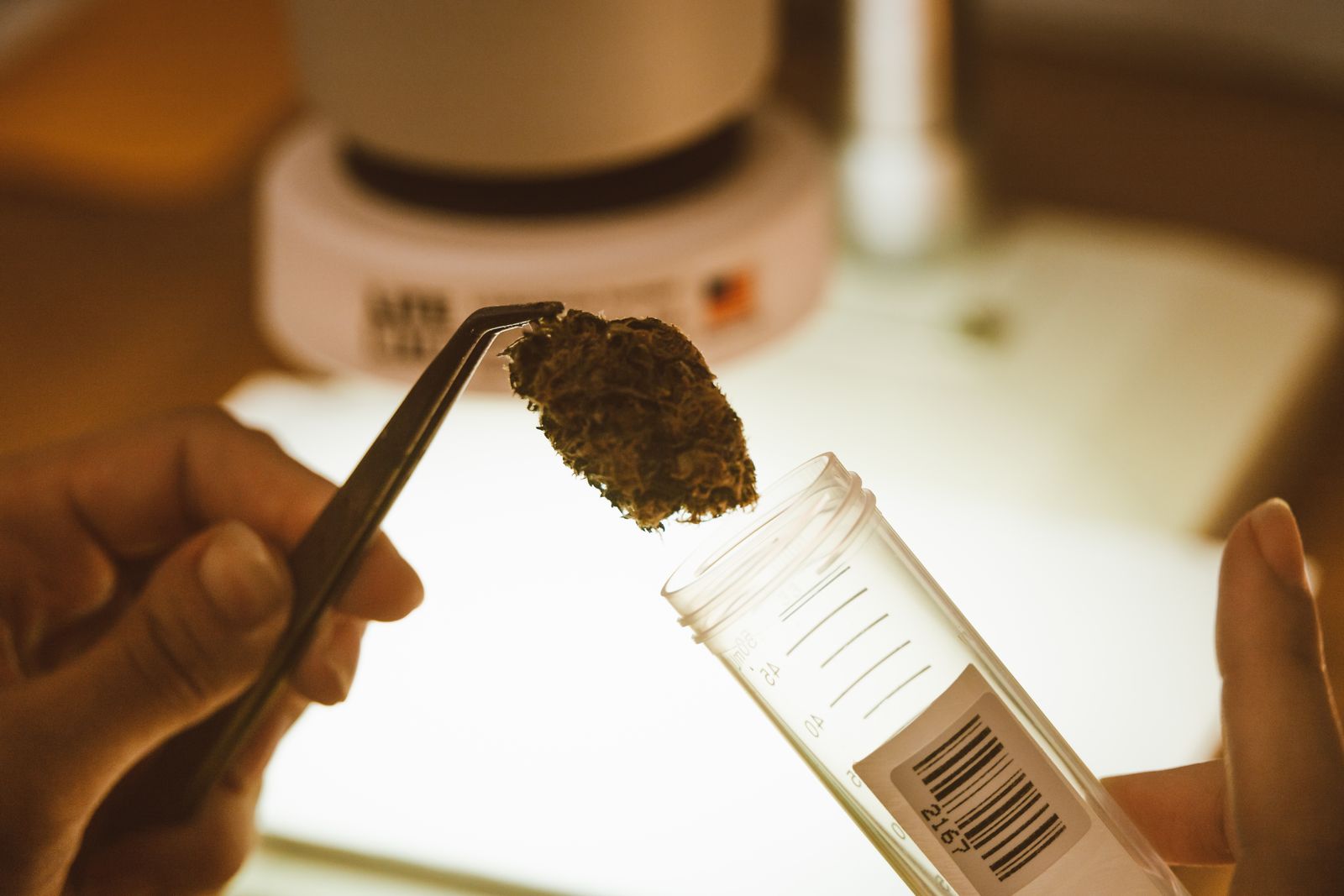
Industry data has tracked solventless concentrates as one of the fastest-growing categories in mature cannabis markets, with hash rosin consistently commanding premium shelf pricing well above distillate-based products. Part of this is scarcity — solventless extraction yields less finished product per pound of input flower than solvent-based methods, and the process demands more skill and better starting material. But part of it is simply demand outpacing supply: as more consumers understand what separates a mechanically pressed rosin from a chemically refined distillate, willingness to pay for the former keeps climbing.
What This Means for Consumers and Producers
For consumers, the choice increasingly comes down to priorities. Distillate still has a place — it's consistent, shelf-stable, and well-suited to vape cartridges and edibles where flavor matters less than dosing precision. But for dabbing, for flower-forward flavor, and for anyone who wants an extract that's as close to solvent-free as cannabis concentrates get, hash rosin is winning the argument.
For producers, the calculus is about craft and margin. Solventless production demands better-quality starting flower, more hands-on processing time, and tighter quality control — but it also commands prices that reflect that investment. As equipment and technique have matured, more small and mid-sized operations are finding solventless a viable (and often more profitable) lane than competing purely on distillate volume.
The Bottom Line
Hash rosin isn't replacing distillate outright — the two serve different needs. But as purity, flavor, and transparency become bigger purchase drivers for cannabis consumers, solventless extraction has moved from niche connoisseur category to mainstream premium standard. In 2026, hash rosin isn't just holding its own against distillate — for a growing share of the market, it's simply the better answer.
Leave a comment
Please note, comments must be approved before they are published