

How To Clean Your Ice Machine (and How Often You Should Do It)

Cannabis enthusiast and student of the art of solventless extraction
If you're running an ice water extraction operation, your ice machine is one of the hardest-working pieces of equipment in the lab. It's easy to obsess over wash vessel temperatures, agitation techniques, and micron selections while forgetting about the machine that makes it all possible. But a dirty ice machine can quietly compromise the quality of your hash in ways you might not notice until the damage is already done.
For most hash makers ice is the go-to method for keeping water at near-freezing temperatures during the wash. The cold temperatures make trichome heads brittle enough to snap cleanly from the plant material, and they help keep the protective membranes around those trichome heads intact so the precious resin inside stays where it belongs. If your ice is introducing contaminants into the water, you're undermining the entire process before you even start agitating.
Let's walk through why ice machine maintenance matters for solventless production, how to properly clean your machine, and how often you should be doing it.
Why Clean Ice Matters for Hash Quality
In the food service industry, the FDA classifies ice as a food product. That same standard of cleanliness should apply in the hash lab, if not a higher one. The ice you produce goes directly into the water that contacts your cannabis material. Any mold, mineral scale, bacteria, or biofilm lurking inside your ice machine will end up in your wash water, and potentially in your finished hash.
Mineral buildup from hard water is one of the most common issues. Over time, calcium and lime deposits accumulate on the interior surfaces of the machine, affecting both ice quality and machine performance. You might notice your ice cubes looking cloudy or your machine producing less ice than usual. For hash makers, cloudy or mineral-laden ice can introduce off flavors and unwanted particulates into the wash water that are difficult to filter out during collection.
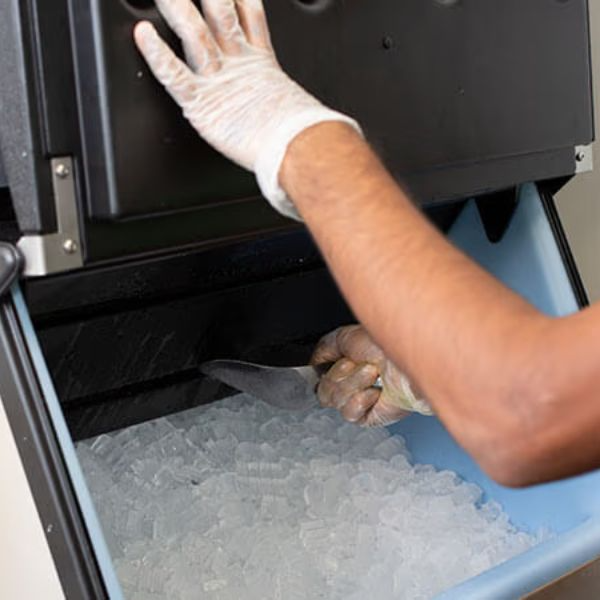
Mold and biofilm are even more concerning. The dark, damp interior of an ice machine is an ideal environment for microbial growth. Once biofilm establishes itself on interior surfaces, it becomes extremely difficult to remove with simple wiping alone. It requires dedicated cleaning and sanitizing solutions to properly eliminate. If you're running a lab that prides itself on producing clean, pure solventless concentrates, letting your ice machine become a breeding ground for contaminants is counterproductive.
How to Clean Your Ice Machine
The specific steps will vary depending on your machine's make and model, so always consult your owner's manual first. That said, most commercial ice machines follow a similar general process that hash makers can adapt for their lab setting.
Start by powering down the machine and shutting off the water supply. Remove all remaining ice from the bin and discard it. This is important because you want to start completely fresh after cleaning, and any ice sitting in the bin during the process will be contaminated by the cleaning solutions.
Next, use a nickel-safe ice machine cleaner that is designed for commercial ice machines. These cleaners are formulated to dissolve mineral scale and lime deposits without damaging the machine's interior components. Mix the cleaning solution with lukewarm water according to the manufacturer's recommended ratio, which is typically around one gallon of water to sixteen ounces of cleaner. If your machine has a built-in cleaning cycle, add the cleaner and run that cycle, which usually takes somewhere between twenty and forty-five minutes depending on the unit.
While the cleaning cycle runs, remove any interior components that your manual identifies as removable. Soak these parts in a separate batch of the cleaning solution and use a soft brush or cloth to scrub away any visible buildup. Avoid using abrasive pads or harsh chemicals that could damage surfaces or leave behind residues.
After the cleaning cycle is complete, it's time to sanitize. Prepare a sanitizing solution using a food-safe sanitizer recommended for ice machine use. Apply this to all interior surfaces and any components you've removed. Let the sanitizer sit for the time specified on the product label, then rinse everything thoroughly with clean water and allow it to dry before reassembling.
Once the machine is back together and powered on, run at least one full cycle of ice production and discard that first batch entirely. This ensures that any lingering cleaning solution or loosened debris is flushed out of the system before you start making ice for your next wash.
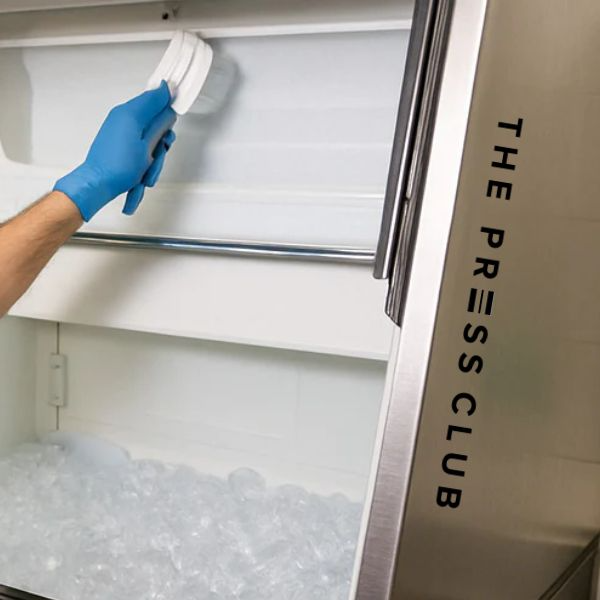
Don't forget the exterior and the often-neglected condenser coils. Dust and grease buildup on the condenser reduces the machine's efficiency, which can lead to slower ice production and higher energy costs. Use compressed air or a vacuum with a soft brush attachment to clean the coils, and wipe down the exterior with a damp cloth and mild soap. Swap out your water filters at cleaning time as well, since clogged filters reduce both water quality and flow rate.
How Often Should You Clean It
The general industry recommendation is to deep clean and sanitize your ice machine at least once every six months. However, for hash labs that are running frequent wash cycles and producing large volumes of ice, a more aggressive schedule is worth considering. If you're washing multiple times per week, cleaning every two to three months will help keep your ice quality consistently high.
Between deep cleanings, a quick weekly wipe-down of accessible surfaces goes a long way toward preventing buildup. Pay attention to the signs that your machine needs attention sooner than scheduled: reduced ice output, cloudy or oddly shaped cubes, any unusual taste or odor in the ice, or visible scale deposits on interior surfaces. Hard water areas will require more frequent cleaning, so consider testing your water supply if you're noticing rapid mineral accumulation.
Keep Your Ice Clean, Keep Your Hash Clean
Your ice machine might not be the most glamorous piece of equipment in the lab, but it plays a very important role in the quality of your finished product. Clean ice means clean wash water (assuming you’re starting with RO water), and clean wash water is one of the foundations of producing premium bubble hash. Taking the time to properly maintain your ice machine is a small investment that pays off in the purity and quality of every wash you run.
Great hash starts with attention to detail at every stage of the process. From the wash bags that collect your trichomes to the rosin bags that press your finished hash, our American-made equipment is built to support hash makers who take quality seriously. Keep your lab clean, keep your standards high, and the hash will speak for itself.
Thoughts? Let us know by joining our secret Facebook group. Hang out with a community of like-minded solventless heads like yourself. Ask our head extractor questions, share your latest press and learn from hobbyists and experts in the industry.

Leave a comment
Please note, comments must be approved before they are published