

How To Decarb Rosin and Make Ampersand™ Powder for Edibles and Beyond

Todde Philips
🇺🇸 Retired veteran, father, rock-climbing expert & rosin connoisseur.
Rosin is one of the most incredible cannabis extracts you can make. No solvents, no mystery chemicals, just heat and pressure coaxing resin out of trichomes. But if you want to use that rosin in edibles, tinctures, or capsules, you need to activate it first through decarboxylation. And if you want to take things a step further, you can turn that decarbed rosin into a shelf-stable, easy-to-dose powder that works in drinks, food, or by itself.
This guide walks you through the full process, from raw rosin to ready-to-use powder. Let's get into it.
Why Decarboxylation Matters
Decarboxylation is the process of removing a carboxyl group from cannabinoids through heat. In simpler terms, you're converting THCA into THC and CBDA into CBD. Without this step, your cannabinoids won't have strong effects when eaten or applied topically. They need to be activated.
Raw rosin straight from the press is acidic. It's full of potential, but that potential won't unlock in your digestive system unless you decarb it first. Once activated, it's ready for tinctures, capsules, infused oils, or in this case, powder.
Tools and Supplies Needed
- 5 grams of fresh press or cold cure rosin
- Straight-sided glass jar with lid (1 to 4 ounces)
- Oven set to 240°F
- Digital scale
- Dab tool or stir stick
- Carrier Oil or any MCT-style infusion oil
- Gloves for handling hot materials
Having everything ready before you start makes the process smoother and safer.
Step-by-Step Guide to Decarbing Rosin
Step 1: Weigh the Jar and Rosin. Start by weighing your empty jar with the lid on. Record that weight. Then add 5 grams of rosin and weigh it again. This gives you your starting weight, which you'll use to track the decarb process.
Step 2: Oven Time. Preheat your oven to 240°F. Place the jar with the lid on inside the oven for 90 minutes. Every 15 minutes, you'll need to remove the jar to burp it, releasing built-up pressure. Give it a gentle stir or swirl, then recheck the weight.
You're looking for about a 13% weight loss, which indicates the cannabinoids have been activated. If you haven't hit that target after 90 minutes, put it back in and keep checking every 15 minutes until you do.
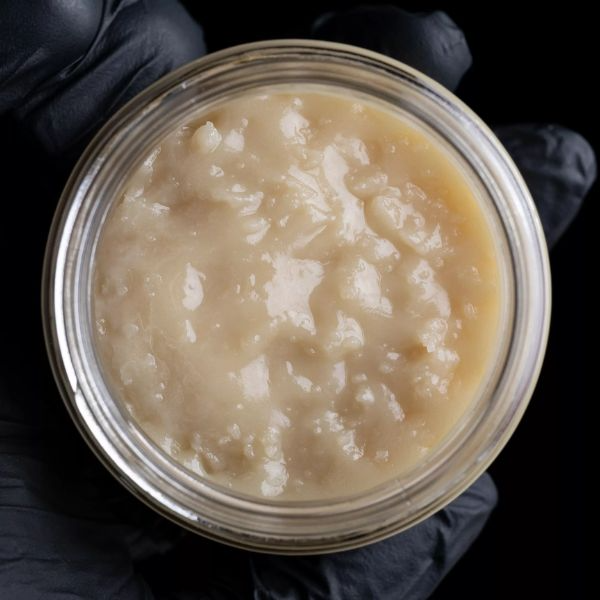
Step 3: Visual and Weight Check. When the decarb is finished, your rosin should look like smooth, golden oil with reduced bubbling. The weight loss confirms activation. If it's still bubbling actively or hasn't lost enough weight, it needs more time.
Infusing Rosin into Oil
While the rosin is still warm, between 150 and 200°F, mix in your Ampersand Carrier Oil. Stir thoroughly until everything is fully combined and fluid. If the mixture starts to cool and thicken before you're done, reheat it briefly to keep things smooth and blended.
This infusion step is what allows you to turn the rosin into a powder later. The oil acts as a carrier that binds with the dry powder base.
Cool and Prep for Powdering
Allow the infused oil to cool to room temperature. Don't rush this step. Letting it cool naturally preserves the texture and consistency you'll need for the next phase.
Once it's fully cooled, you're ready to turn it into powder.
How To Turn Rosin-Infused Oil Into Powder
Step 1: Gather Materials. You'll need your decarbed rosin oil, Ampersand™ powder or another dry base designed for cannabis infusions, a mixing bowl, a metal fork (preferred for thorough mixing), a silicone spatula, and the original powder container with its desiccant packet.
Step 2: Mix Oil into the Powder Base. Pour the infused oil into your mixing bowl. Don't toss the jar yet. There's still oil residue clinging to the sides, and you'll recover that in the next step. Before opening your powder container, shake it gently to pre-mix the contents. Remove the desiccant packet and dosing spoon so they don't get contaminated during mixing.
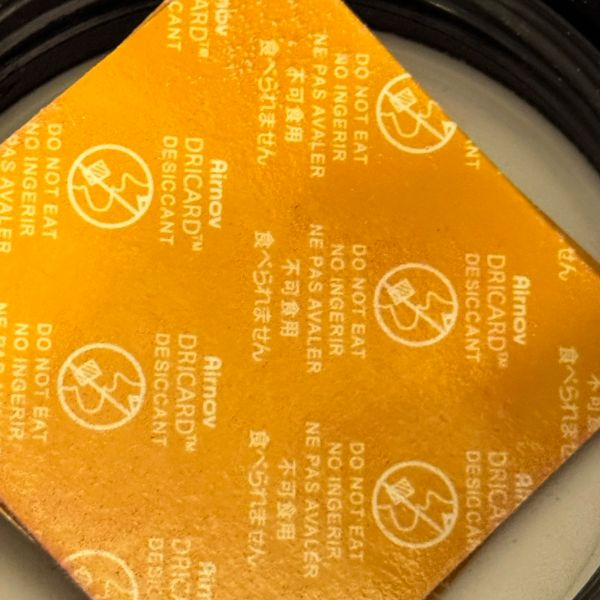
Step 3: Recover Leftover Oil. Add a spoonful of powder into the oil jar. Mix it around until it forms a semi-dry paste, then scrape everything into your main mixing bowl. This ensures you're getting every bit of that infused oil into the final product.
Step 4: Combine and Thoroughly Mix. The most important step! Add the rest of the powder to the bowl. Use your fork to mash, fold, and blend everything together. This is where the work happens. You need to mix for a solid 5 to 10 minutes until the texture is dry, even, and free of wet spots.
If you see clumps or oily patches, keep mixing. The goal is a light, free-flowing powder with consistent color throughout.
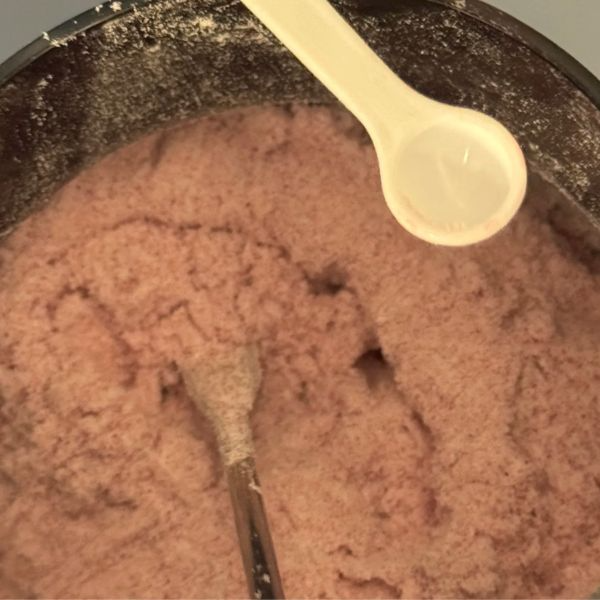
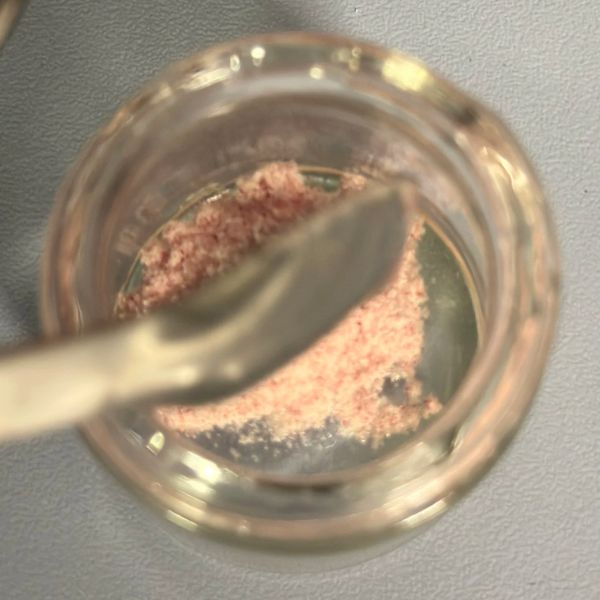
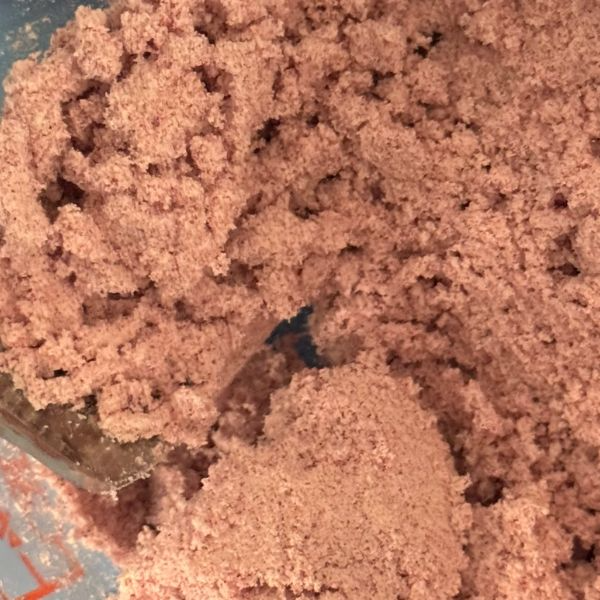
Step 5: Final Check. Your finished powder should be dry, uniform, and easy to scoop. If it's still sticky or clumpy, keep working it until it reaches the right consistency.
Storing and Dosing the Final Powder
Return your powder to the original container and reinsert the desiccant card to keep moisture out. Use the included 0.3ml spoon for accurate dosing.
Here are some general dosing guidelines:
10mg (1 scoop): Mild effect, lasts about 3 to 4 hours
20mg (2 scoops): Moderate effect, lasts about 4 to 6 hours
50mg (5 scoops): Strong effect, lasts about 6 to 10 hours
Everyone's tolerance is different, so start low and adjust based on your experience.
How To Use Powdered Rosin
This powder is incredibly versatile. You can dissolve it in 8 ounces of liquid, mix thoroughly, and drink it. You can use it sublingually by holding it under your tongue for about 2 minutes before swallowing. You can sprinkle it on food or incorporate it into recipes.
Just don't smoke or vape it. This is activated for digestion, not combustion.
Final Tips
Always decarb by weight, not just by eye. The 13% weight loss is your confirmation that activation is complete.
Tips
Keep temperatures low to preserve flavor and terpenes. Going too hot will degrade the compounds you're trying to protect.
Every strain may react slightly differently based on cannabinoid and terpene profiles. Measure and track your results for consistency.
Clean your tools and workspace to prevent contamination. You've put in the work to make clean rosin. Don't mess it up at the finish line.
Conclusion
Creating a powdered rosin product opens up new ways to use solventless hash. Whether you're making edibles, capsules, or drink mixes, this method offers potency, precision, and shelf stability.
It's a great option for home processors who want more control over their consumption and for commercial edible makers looking for clean, effective delivery formats. The process takes time and attention, but the results are worth it.
Thoughts? Let us know by joining our secret Facebook group. Hang out with a community of like-minded solventless heads like yourself. Ask our head extractor questions, share your latest press and learn from hobbyists and experts in the industry.

Leave a comment
Please note, comments must be approved before they are published