

How To Dry Your Resin Using Sublimation Without a Freeze Dryer

Cannabis enthusiast and student of the art of solventless extraction
Proper drying is one of the most critical steps in solventless extraction. Get it wrong and you risk oxidation, mold, terpene loss, and compromised gland integrity. Freeze dryers are the gold standard for a reason. They use sublimation and vacuum pressure to remove water without ever letting it turn into liquid, preserving everything you worked so hard to extract.
The biggest problem here is that freeze dryers are expensive. The high cost puts them out of reach for many home hashmakers. Is there another way to quickly and thoroughly dry hash that's not simply air drying?
There's a DIY alternative that uses the science of the Peltier effect to sublimate water out of wet bubble hash. It's not as fast or precise as a lab-grade freeze dryer, but it works, and it won't drain your bank account. This article will show you how to do it step by step using affordable and accessible tools.
Understanding the Science Behind It
What Is Sublimation in Hash Making?
Sublimation is the process of water turning from solid ice directly into vapor without passing through the liquid stage. This matters because when water turns to liquid during drying, it can cause oxidation, promote mold growth, degrade terpenes, and damage delicate trichome heads. Sublimation avoids all of that by skipping the liquid phase entirely.
The Peltier Effect and Thermoelectric Cooling
Peltier modules are small thermoelectric devices that use DC electricity to create a hot side and a cold side. Mini fridges with thermoelectric cooling use this principle. The cold metal freezer tray inside these fridges is essentially the cold side of the Peltier module, and it absorbs heat from whatever's placed on it.
In this DIY setup, that cold freezer tray acts like the ice condenser in a freeze dryer. It draws moisture out of your resin and freezes it as ice buildup on the tray. You'll see frost and ice accumulate underneath the freezer plate as evidence that sublimation is happening. Although there's no vacuum like in a real freeze dryer, the cold trap effect still works to pull water vapor out of your hash.
Equipment You'll Need
Here's what you need to gather before you start:
- Mini fridge with a thermoelectric freezer tray (set to the coldest setting)
- Small cardboard pizza boxes
- Mesh collection screens (nylon or stainless steel)
- Stainless steel kitchen sieve (medium mesh)
- Stainless steel kitchen sieve (fine mesh)
- Paper towels
- Parchment paper
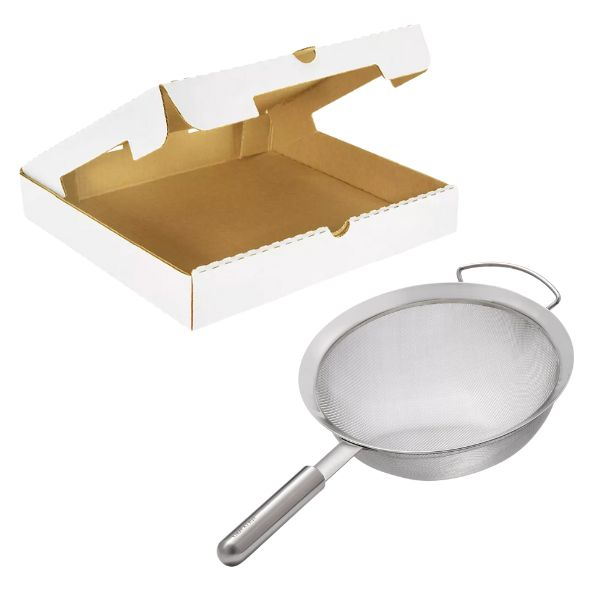
Most of this is either already in your kitchen or available cheap online. The mini fridge is the only real investment, and you can find decent thermoelectric models for a fraction of what a freeze dryer costs.
Step-by-Step Drying Process
Step 1: Pre-Dry With Paper Towels
Line a pizza box with two to three layers of unbleached paper towels. Place a nylon mesh screen on top of the towels. Scoop your fresh wet hash onto the mesh and let gravity do the work. The moisture will wick down into the paper towels over a few hours. This step removes the bulk water and makes the next stages more effective.
Step 2: Refresh and Chill
Replace the wet paper towels with dry ones. Put the hash and mesh screen back on top, close the pizza box, and place the whole setup in your freezer for 30 minutes. This partially freezes the hash and prepares it for sieving.
Step 3: First Sieving
Work in a cold environment, ideally inside your freezer if you have room. Sieve the semi-frozen hash through a medium mesh sieve onto parchment paper inside a new pizza box. The goal is to create a very thin, even layer. This increases the surface area and allows moisture to escape more efficiently.
Step 4: Freeze for Sublimation
Place the pizza box with the parchment and sieved hash directly on the mini fridge freezer tray. Leave it undisturbed for 24 hours. Check periodically for ice buildup beneath the freezer tray. That ice is visual confirmation that sublimation is occurring and moisture is being pulled out of your resin.
Step 5: Final Sieve and Dry
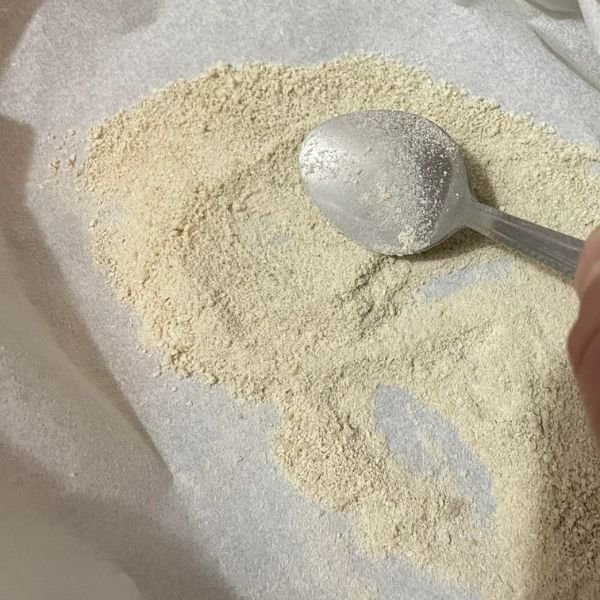
After 24 hours, sieve the hash again using a finer mesh sieve onto fresh parchment in a new pizza box. Return it to the freezer tray for another 24 hours. This second round further breaks up clumps and exposes any trapped moisture that didn't escape in the first pass.
Checking for Dryness
You'll know your hash is dry when it looks and feels sandy, with no cold or wet spots and no clumping. An optional snap test can help confirm readiness: press the hash lightly between parchment. If it powders or crumbles easily instead of sticking together, you're good to go.
Benefits and Limitations
Pros: You don't need expensive equipment. This method uses sublimation to preserve the terpene profile just like a freeze dryer does. When done carefully and patiently, the results are solid.
Cons: It takes more manual labor and time than a freeze dryer. It's less precise than lab-grade equipment, and because there's no vacuum, it may not be ideal for large-scale operations where speed and consistency are critical.
When It's Ready
Once your hash is fully dry, it's ready for whatever comes next. You can store it in cold cure jars, press it into rosin, or package it for retail if the purity and dryness meet your standards.
Dry hash also stores better and longer without degrading, so taking the time to do this right pays off down the line.
Conclusion
Drying hash properly is non-negotiable for quality solventless extraction. While freeze dryers are elite tools that deliver unmatched results, you don't need one to get great hash. With the right tools, patience, and understanding of the Peltier effect, you can achieve effective sublimation in your own lab or home setup.
This method won't replace a freeze dryer in a commercial operation, but it's a legitimate option for small-batch hashmakers, home extractors, or anyone who wants to level up their process without dropping five figures on equipment.
Give it a try. Your resin and your budget will thank you.
Thoughts? Let us know by joining our secret Facebook group. Hang out with a community of like-minded solventless heads like yourself. Ask our head extractor questions, share your latest press and learn from hobbyists and experts in the industry.

Leave a comment
Please note, comments must be approved before they are published