

How to Grade the Quality of Bubble Hash

Todde Philips
🇺🇸 Retired veteran, father, rock-climbing expert & rosin connoisseur.
Ask five different hash makers how to judge the quality of a batch and you will likely get five different answers. Color, smell, texture, and personal preference all play a role in how people talk about bubble hash, but most of that conversation is subjective. If you want a standard that holds up across strains, washers, and producers, you need something measurable. That is exactly what the melt scale provides.
The melt scale is a scientific approach to evaluating bubble hash, and unlike color or smell, it is replicable and consistent from one tester to the next. It gives hash makers, retailers, and consumers a shared language for quality that does not depend on opinion.
What the Melt Scale Actually Measures
At its core, the melt scale is measuring oil content. Trichome heads are filled with resin, and the proportion of that resin relative to other plant material determines how completely a sample melts when heat is applied. The more oil content present, the higher the melt percentage, and the higher the overall quality rating.
This relationship also shows up in texture. Hash with a lower oil content tends to be drier and more powdery, since there is more inert plant material mixed in with the resin. As oil content climbs, the hash becomes stickier, denser, and eventually takes on a texture closer to a paste or solid mass. Melt percentage and consistency move together, which is part of why the scale works so well as a quick visual and tactile reference once you know what to look for.
Why Source Material Changes Everything
Before you even wash a single bag, the starting material has already set a ceiling on how high your melt rating can climb.
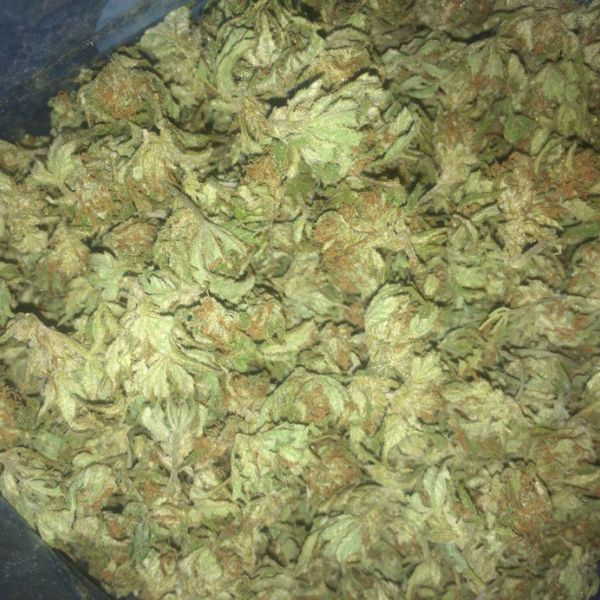
Hash made from trim leaves will land on the lower end of the scale. Trim simply carries fewer trichome heads relative to the surrounding plant matter, so the resulting wash contains a higher ratio of non-resin material no matter how careful the technique.
Dried and cured flower pushes that ceiling higher. Curing concentrates the resin and reduces some of the plant material that would otherwise end up in the wash, giving you a cleaner base to work with.
Whole plant fresh frozen flower sits at the top. Freezing the plant immediately after harvest preserves trichome structure and resin content far better than drying ever could, which is why fresh frozen material consistently produces the highest melt ratings achievable through ice water extraction.
Breaking Down the Grades
50 to 65 percent melt. This is the lower end of quality bubble hash. Expect a greenish color and a noticeably higher amount of plant material mixed in with the resin. It still melts and still gets the job done, but it is not going to deliver the clean, full melt experience that higher grades offer.
65 to 80 percent melt. Here the color shifts lighter, often described as blond. This grade is also far more temperature volatile than lower grades. Without refrigeration, it will quickly taffy up, losing the light, fluffy topper consistency that makes this range so desirable in the first place. If you are producing or storing hash in this range, cold storage is not optional.
75 to 85 percent melt. This range is typically pressed by hand into a temple ball rather than left in loose powder form. Once formed, it can be broken apart and sprinkled wherever you want it. The temple ball format also helps protect the hash and slow the rate at which it degrades compared to leaving it loose.
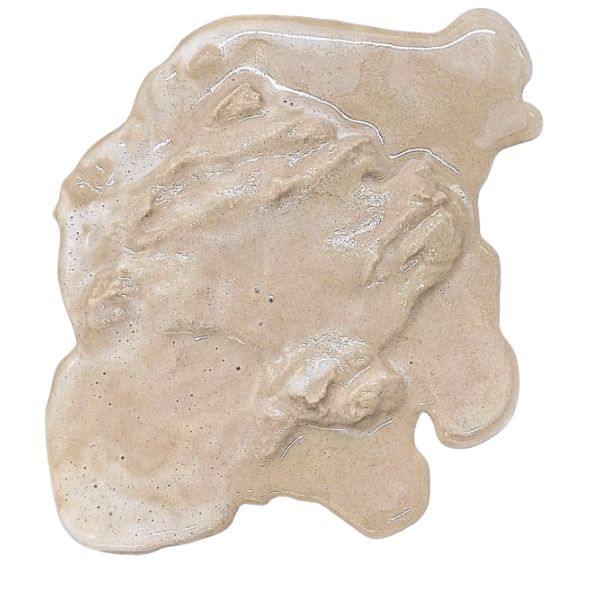
80 to 90 percent melt. At this level, the hash takes on an appearance that looks almost like rosin, glassy and dense, even though it has never been pressed and exists only in rolled temple ball form. This grade is extremely temperature volatile and needs to stay refrigerated. The exact look will vary significantly from strain to strain, so do not expect every batch in this range to look identical. Left too long or exposed to warmth, it will eventually sugar out, meaning the oil and other components begin to separate rather than holding together as a stable mass.
Conclusion
The melt scale gives hash makers a way to talk about quality that goes beyond color and smell, anchoring the conversation in something measurable and consistent. But the scale only tells part of the story. Starting material, wash technique, drying method, and storage all play a role in where a batch lands and how well it holds up over time.
If you are washing your own hash and want to push toward the higher end of the melt scale, the process starts with quality bubble wash bags built to handle delicate trichome heads without sacrificing structure. Check out The Press Club's full lineup of bubble wash bags and accessories at thepressclub.co to give your next wash the best shot at a top shelf result.
Thoughts? Let us know by joining our secret Facebook group. Hang out with a community of like-minded solventless heads like yourself. Ask our head extractor questions, share your latest press and learn from hobbyists and experts in the industry.

Leave a comment
Please note, comments must be approved before they are published