

How To Make FAA Fish Fertilizer for Your Solventless Cannabis Garden

Todde Philips
🇺🇸 Retired veteran, father, rock-climbing expert & rosin connoisseur.
We know that the quality of what comes out of the wash starts with the quality of what goes into it. Genetics, growing conditions, and input choices all shape the trichome development that ultimately determines how your hash scores. One input that is gaining serious traction among craft cannabis growers is FAA, or Fish Amino Acid, a homemade liquid fertilizer rooted in Korean Natural Farming practices.
FAA is exactly what the name suggests: a nutrient-dense liquid produced by fermenting raw fish parts with brown sugar over an extended period. The result is a bioavailable nitrogen source packed with amino acids that cannabis plants can take up readily through both roots and foliage during the vegetative stage. For growers focused on producing premium fresh frozen for ice water extraction, encouraging vigorous, healthy vegetative growth translates directly into better trichome-bearing plant structure before harvest. The best part is that it costs almost nothing to make, and the process is remarkably simple.
What You Need
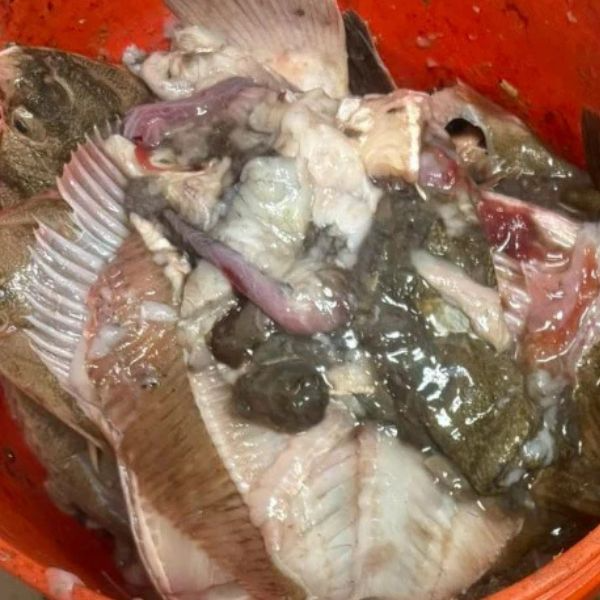
The materials list is short. You need whole fresh fish scraps, including heads, bones, intestines, skin, and whatever else your local fish market or fishmonger will give you. Blue-black fish varieties such as mackerel, sardine, anchovy, salmon, and yellowtail are particularly well-suited for this because of their high protein content, abundance of amino acids, and concentration of essential fatty acids. You also need brown sugar, a food-grade five-gallon bucket with a lid, and patience.
Building Your Ferment
The ratio is simple: equal parts fish scraps and brown sugar by weight. Start by laying down a thin layer of brown sugar across the bottom of the container, roughly an eighth of an inch thick, then add a layer of fish scraps no more than three inches deep. Continue alternating layers until the bucket is full, finishing with a layer of sugar on top. The sugar does two jobs here. It draws moisture out of the fish through osmosis, which jumpstarts fermentation, and it suppresses the kind of foul-smelling microbial activity that would otherwise make this process unpleasant. A properly managed FAA ferment smells more like a mild oyster sauce than rotting fish.
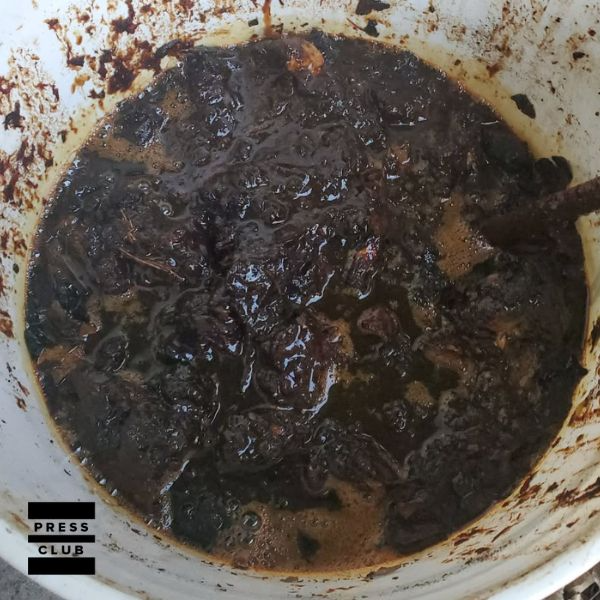
Seal the bucket and store it in a cool, dark location. This is where the waiting begins. A fermentation period of six months to one year produces a fully mature, emulsified product. Over time, the solid fish material will actually fully dissolve into the liquid, leaving you with a rich, dark concentrate with almost no remaining solids. You can check on the ferment periodically. If it develops an unpleasant odor at any point, simply add more brown sugar to bring it back into balance.
Harvesting and Storing Your FAA
Once the fermentation period is complete and the fish material has fully broken down, strain the liquid through cheesecloth to remove any remaining solids. Transfer the finished FAA into airtight glass or food-grade plastic containers and store them in a cool, dark place. Properly stored FAA keeps for an extended period, giving you a sustainable supply of fertilizer that you can draw from throughout the growing season.
How To Apply FAA in the Garden
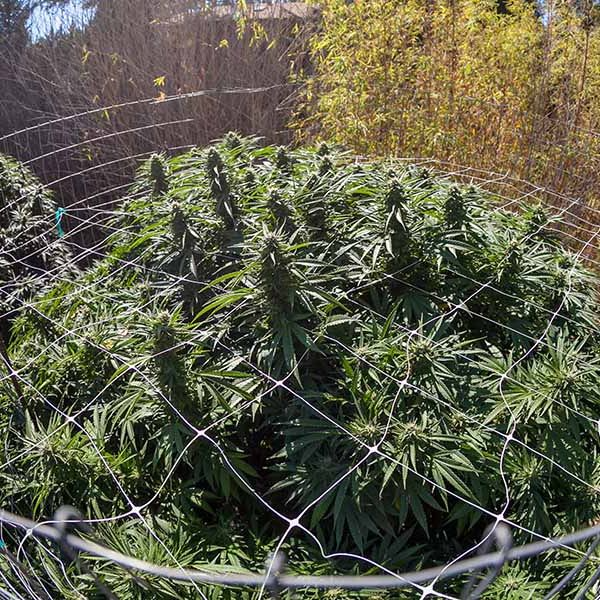
FAA is high in nitrogen and is applied during the early vegetative stage of development to boost growth and size. It is not applied during the reproductive stages, because the high nitrogen will drive leaf production rather than flower or trichome development. For growers focused on hash production, this timing matters. Pull FAA out of rotation as your plants transition into flower and let them shift their energy toward the resin-producing structures you are ultimately after.
The dilution ratio is straightforward and consistent across all applications. FAA is used at a 1:1000 dilution, meaning one part FAA to one thousand parts water. In practical terms, measure out 100 milliliters of your finished FAA concentrate and add it to 100 liters of water, or scale up proportionally to your irrigation volume.
For larger garden operations, a simple delivery setup works well. Fill a food-grade plastic trash can or reservoir with water, drop a submersible pump into it, and pour your measured FAA concentrate directly into the water. The pump circulates the diluted solution and can push it through a drip irrigation system, delivering consistent, even coverage across your plants. This approach scales cleanly whether you are running a small outdoor plot or a larger light-dep operation.
FAA can be applied both as a soil drench and as a foliar spray, and it is thought to support not just vegetative growth but also the taste and fragrance characteristics of the plants that receive it. For hash growers chasing terpene expression, that last point is worth paying attention to.
A Low-Cost Input With Real Upside
Making FAA fits naturally into the same philosophy that drives solventless extraction: working with natural processes rather than against them, keeping inputs clean and traceable, and prioritizing quality at every stage of production. The upfront commitment is mostly time, and the payoff is a potent, bioavailable nitrogen source that costs a fraction of what commercial fertilizers run.
If you are already sourcing fresh frozen from your own garden, FAA is a practical and affordable way to give your plants the nutritional support they need during the growth phase that sets the stage for everything that follows. Strong vegetative structure supports better canopy development, which supports better flower sites, which ultimately supports the trichome-dense material that your bubble wash bags are designed to work with at harvest.
Good inputs at every stage of the process are how premium hash gets made. FAA is one more tool that belongs in that conversation.
Thoughts? Let us know by joining our secret Facebook group. Hang out with a community of like-minded solventless heads like yourself. Ask our head extractor questions, share your latest press and learn from hobbyists and experts in the industry.

Leave a comment
Please note, comments must be approved before they are published