

How To Read Your Resin for Optimal Freeze Dryer Time

Cannabis enthusiast and student of the art of solventless extraction
No two runs are exactly alike. Different cultivars, different input material, different water temperatures, and different agitation times all influence what ends up on your collection screens. What many hash makers, especially those newer to hash making, do not always account for is how those differences follow the resin all the way into the freeze dryer.
The freeze dryer is where bubble hash transforms from a wet, fragile mass of trichomes into the beautifully dried, shelf-stable product you worked so hard to produce. Getting the timing right is one of the most important and most underappreciated variables in the entire process. Run your resin too long and you risk over-drying, which can degrade terpenes and alter texture. Pull it too early and you are left with residual moisture that invites contamination and prevents proper curing.
The key to dialing in your freeze dryer time is learning to read your resin before it ever goes into the machine. Specifically, you need to understand whether you are working with sandy resin or oily resin, because those two expressions behave very differently under freeze drying conditions, and they each have their own optimal time requirements.
Sandy Resin
Sandy resin is exactly what it sounds like. After collection and before freeze drying, it presents as a looser, more granular texture. It does not clump aggressively or stick to your tools with much persistence. When you look at it on the collection screen, it tends to have a powdery or crumbly character that signals a relatively low oil content in relation to the overall mass.
This texture reflects the composition of the trichome heads you collected. Sandy resin typically comes from cultivars that produce heads with a firmer, more stable structure. Because the resin is not holding large volumes of internal oil close to the surface, it does not grip moisture the way oilier resin does. Water has fewer places to hide, which means the freeze dryer can do its work more efficiently.
The practical takeaway is that sandy resin is more forgiving and more robust in the freeze dryer. It dries thoroughly in less time. Running sandy resin for the same extended duration you might use on an oily batch is unnecessary and can actually work against you, pushing the material past its ideal moisture content and affecting the final texture in ways you did not intend.
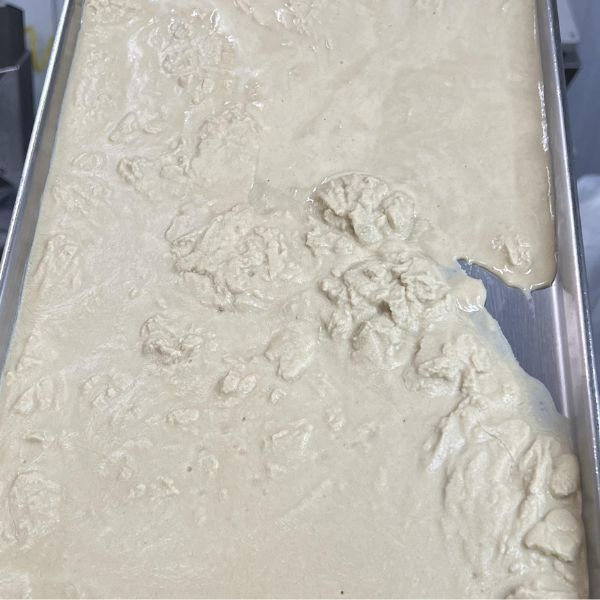
When working with sandy resin, start with shorter freeze dryer cycles and check your material earlier than you might otherwise. Trust the texture. If it releases cleanly from the tray and no longer feels cold or damp to the touch, it is very likely ready to come out.
Oily Resin
Oily resin tells a different story from the moment it hits your screens. It is noticeably stickier and more cohesive, often clumping together and adhering to tools and collection surfaces more aggressively. This is a sign of trichome heads that are dense with internal resin, which is ultimately what you want from a potency and terpene standpoint. Oily resin is frequently associated with the most terp-forward, full-melt quality material.
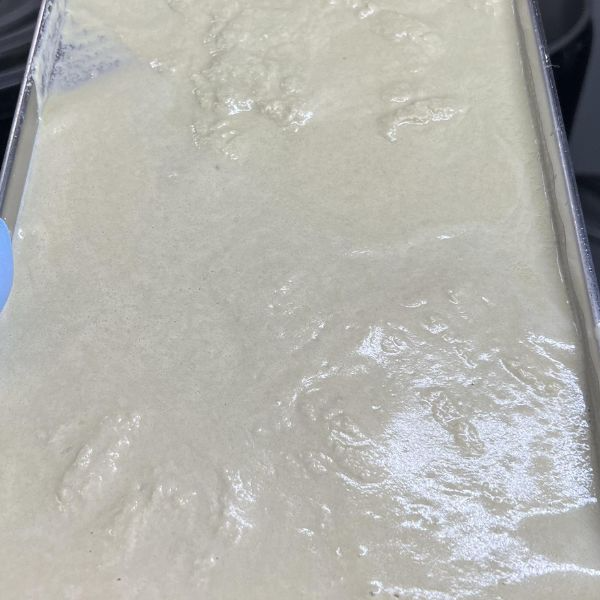
But that richness comes with a tradeoff in the freeze dryer. Because oily resin holds onto moisture more tenaciously, it takes longer to reach a fully dried state. The same moisture that makes the material sticky and expressive is also binding water within the resin in a way that resists the freeze dryer's sublimation process. If you pull oily resin too early, the center of each collection may still carry residual moisture even when the surface feels dry, which is a common mistake and one that can have real consequences for product quality and shelf life.
Oily and sticky resin needs more time in the freeze dryer. This is not a flaw in your process; it is simply the nature of the material. Extending your cycle time appropriately gives the freeze dryer the opportunity to fully sublimate that retained moisture and deliver a properly dried product that will hold up over time.
How This Applies Across Equipment
Whether you are running a Harvest Right or a Holland Green freeze dryer, the underlying principle is the same. Both are excellent machines and both are widely used by hash makers at every level of production, from home extractors to commercial operations. Neither machine changes the fundamental behavior of the resin itself.
What the machine provides is a controlled environment for sublimation. What you provide is the judgment about how long to run it. No preset program or default cycle time accounts for the specific resin texture you collected on a given wash day. That variable is yours to read and respond to, which is why developing an eye and a feel for your resin before it goes into the freeze dryer is such a valuable skill.
Pay attention to how the material behaves when you collect it off the screens. Note whether it releases cleanly or clings, whether it spreads loosely or holds together in cohesive clumps. That observation is your starting point for setting an appropriate freeze dryer duration.
The Skill of Reading Resin
Learning to read your resin is one of those skills that separates hash makers who get consistently excellent results from those who are always chasing them. The freeze dryer is a powerful tool, but it works best when you bring informed judgment to it rather than treating it as a set-and-forget solution.
Sandy resin rewards shorter cycles. Oily and sticky resin rewards patience and extended time. Develop that read as part of your routine, and your freeze-dried hash will reflect it in every batch.
Thoughts? Let us know by joining our secret Facebook group. Hang out with a community of like-minded solventless heads like yourself. Ask our head extractor questions, share your latest press and learn from hobbyists and experts in the industry.

Leave a comment
Please note, comments must be approved before they are published