

Parchment Paper Techniques for Pressing Rosin: Boat Tech

Todde Philips
🇺🇸 Retired veteran, father, rock-climbing expert & rosin connoisseur.
There is a moment in every rosin press when everything is already decided. The bubble hash has been dried and cured. The rosin bags are packed and wrapped. The plates are hot, the pressure is building, and the resin is about to move. Where it goes from there depends largely on one simple thing: how you folded your parchment paper.
Parchment paper is not just a surface for collecting rosin. When folded correctly, it becomes a tool that shapes how your extract flows off the heated plates, where it pools for collection, and how quickly it clears the heat zone. The difference between an intelligent and well-executed fold and a careless one can mean the difference between a clean, flavorful yield and degraded material that lingered too long on hot plates.
This is especially true when pressing bubble hash and dry sift for rosin. These starting materials are high-yielding and low-viscosity by nature, meaning the rosin moves fast and in volume once heat and pressure are applied. Having a parchment setup designed to channel that flow makes collection easier, reduces waste, and helps protect the terpene profile you worked so hard to preserve during extraction.
Before we get into specific techniques, a quick note on materials: use food-grade parchment paper coated with silicone, not wax. Wax paper breaks down under the heat of pressing and can contaminate your rosin. Silicone-coated parchment is heat-resistant, non-stick, and easy to work with. The Press Club carries premium parchment paper specifically designed for rosin pressing, and starting with quality material makes a real difference in your workflow.
Now let’s fold, flow, and collect!
The Concept of Directional Flow
Directional flow refers to using folded parchment paper to guide rosin away from the press plates and toward a designated collection area. Without any intentional folding, rosin can pool on the plates themselves, continue to cook after pressure is released, or scatter in unpredictable directions. Directional flow solves all of these problems at once.
Many terpenes are extremely volatile and begin to degrade at temperatures as low as 100 degrees Celsius. Since rosin pressing typically occurs in the 200 to 220 degree Fahrenheit range, every extra second that warm rosin stays in contact with hot plates is a second that delicate aromatic compounds are being lost. Getting the rosin moving quickly and off the plates is one of the most impactful things you can do to protect the final quality of your extract.
Directional flow solves this problem by using a folded parchment pod that guides rosin away from the plates and toward a specific collection point. Boat Tech is one of the most versatile and widely used methods for accomplishing exactly that.
Boat Tech for Single Directional Flow
Boat Tech is a parchment folding method that directs all of your rosin toward a single collection point, whether that is a jar positioned below the press or a clean section of parchment laid flat on your work surface. The finished fold resembles a narrow boat or canoe, open at one end and snug around your rosin bag. When the plates come down, the rosin flows toward one end or one side, following the channels the folded paper creates.
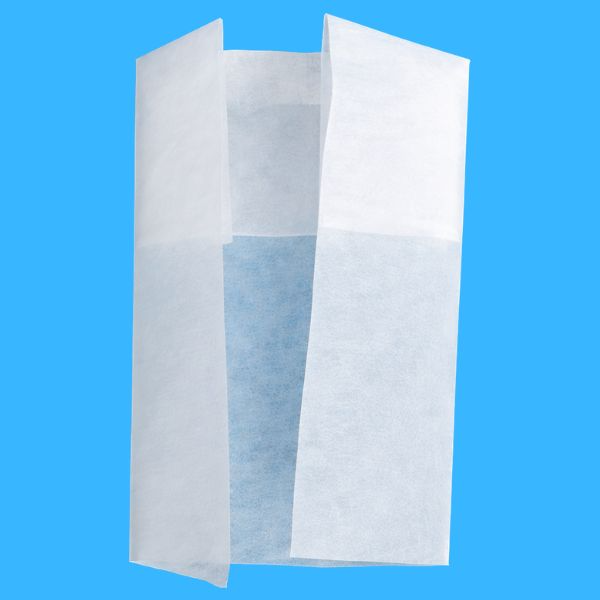
It is one of the cleanest and most controlled folding methods available to hash makers. When you need to know exactly where your rosin is going to land, Boat Tech delivers. It is equally well-suited for single-gram home runs and larger commercial presses where collection precision matters.
A Step-by-Step Guide To Fold Boat Tech
Follow these steps before your plates reach temperature so your pods are ready to load the moment your press is hot.
1. Start with your parchment in landscape orientation. Place a full sheet of silicone-coated parchment on a flat surface with the long edge running horizontally. The paper should be noticeably wider than it is tall in front of you. Fold one side along the long edge, just a little more than the width of your rosin bag.
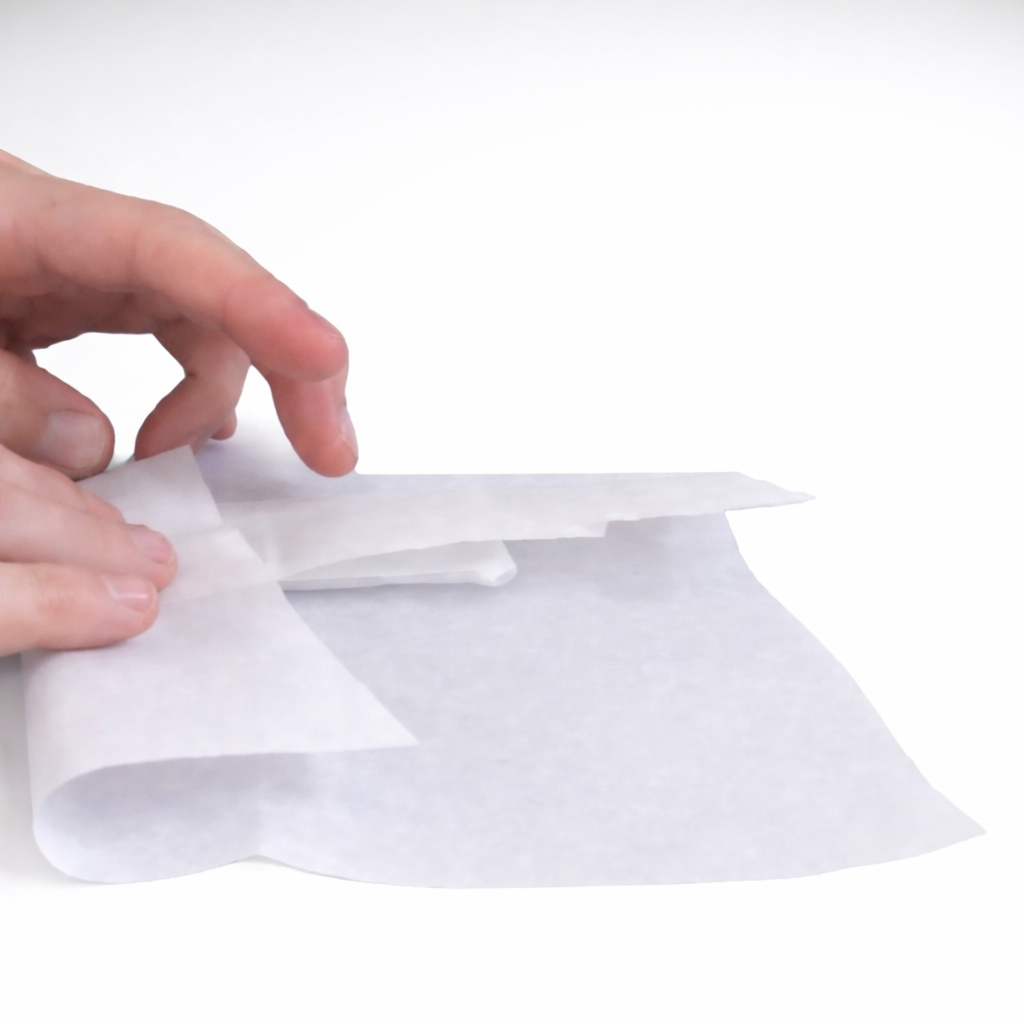
2. Create the first vertical fold. Take the right edge of the paper and fold it toward the left, bringing it slightly past the center. You want this flap to extend just slightly beyond the width of your rosin bag on each side when the bag is eventually placed inside. This fold forms one wall of your boat.
3. Fold up the bottom edge. With the paper still folded from Step 2, fold the entire bottom edge upward by about one inch. Run your finger along the crease firmly to set it in place. This creates the floor of the boat and will keep rosin from running out the bottom.
4. Position your rosin bag. Tuck your packed rosin bag into the open pouch you have created. Use the bag to help you identify the correct fold point for the top. The bag should sit comfortably with a small amount of parchment extending past it on all sides.
5. Set the top fold using the bag as a guide. Flip the parchment over to locate the crease point on the opposite side of the bag. Fold the top portion of the paper down over the bag, using the bag itself as a depth guide so the fit is snug but not compressed. Set the crease.
6. Open the ends of the pod. The left and right ends of your pod will have layered flaps from the folded paper. Carefully cut through both of these folded flaps to open up the ends. This is what allows rosin to flow out freely when pressure is applied.
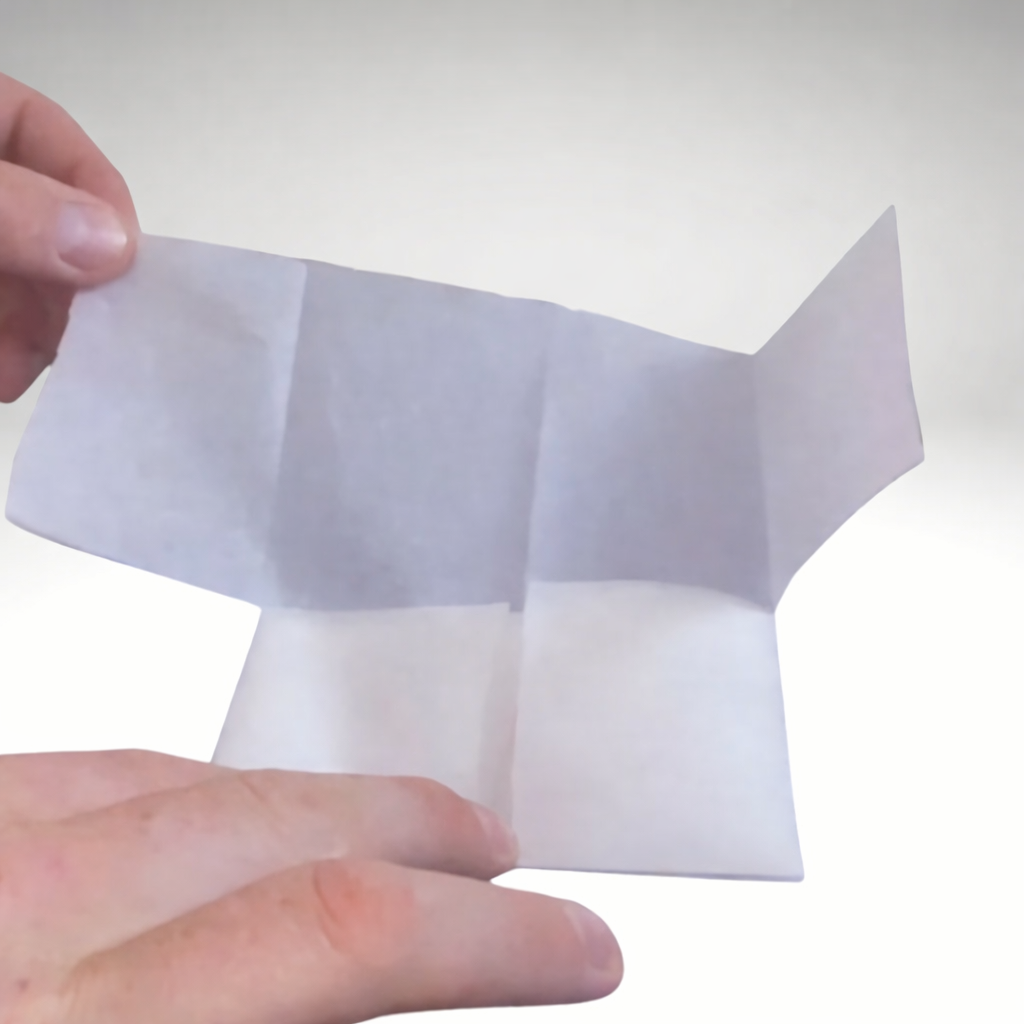
7. Optional: Add a collection platform or spout. For single-jar collection, fold up the bottom two inches of the open end to create a flat platform where rosin can pool and be collected with a dab tool. Alternatively, fold the lower corners of that end diagonally inward to create a pointed spout that directs rosin straight down into a jar positioned below the press. The spout method is especially satisfying to work with.
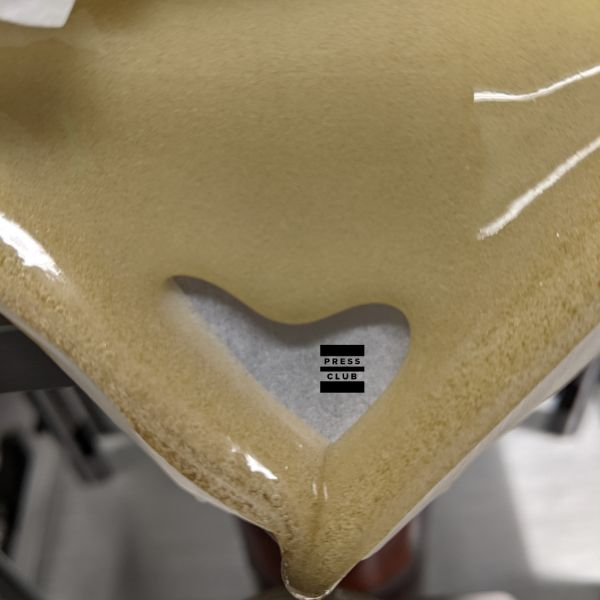
8. Load and press. Place your finished Boat Tech pod onto the bottom plate of your press with the open collection end oriented toward your jar or collection parchment. Apply pressure slowly and let the rosin flow. The boat shape will guide everything toward your designated collection point.
A Few Tips to Get the Most from Boat Tech
Pre-fold all of your pods before the session begins. Folding parchment while your plates are already hot introduces unnecessary rushed decisions, and a sloppy fold at temperature can cost you a run. Take ten minutes before you start pressing to build your pods, and your session will flow much more smoothly.
Make sure your crease lines are sharp and intentional. Soft, rounded folds allow rosin to seep through the paper layers rather than following the channels you created. Run your fingernail or a smooth edge firmly along each fold to set it cleanly.
Experiment with the spout variation if you are collecting into jars. It dramatically reduces the amount of rosin that migrates to awkward spots on your parchment surface, and it makes post-press collection much faster. For many hash makers, that little diagonal fold at the end becomes non-negotiable.
The Fold Is Part of the Process
Great rosin is the result of a long chain of quality decisions. The genetics, the grow, the harvest, the cure, the wash, the dry, and the press all contribute to what ends up in the jar. Parchment folding is one of the last links in that chain, and it deserves the same attention as everything that came before it.
Boat Tech is a straightforward technique with a real payoff. Once you have folded a few pods and seen how cleanly rosin moves toward your collection point, it becomes second nature. It is one of those skills that takes only minutes to learn and pays dividends every time you press.
The Press Club carries premium silicone-coated parchment paper designed specifically for rosin pressing, giving you the reliable, heat-resistant material that Boat Tech requires. Start with quality parchment, fold with intention, and let your extract do the rest.
Thoughts? Let us know by joining our secret Facebook group. Hang out with a community of like-minded solventless heads like yourself. Ask our head extractor questions, share your latest press and learn from hobbyists and experts in the industry.

Leave a comment
Please note, comments must be approved before they are published