

Rescheduling Medical Marijuana and What It Means for Solventless Extractors


Todde Philips
🇺🇸 Retired veteran, father, rock-climbing expert & rosin connoisseur.
This is a historic moment for access, legitimacy and the future of hash!
On December 18, 2025, President Trump signed an executive order directing the rescheduling of marijuana from Schedule I to Schedule III under the Controlled Substances Act while simultaneously expanding access to CBD products. This represents one of the most significant cannabis policy shifts in modern U.S. history, with implications that extend far beyond headlines. For every segment of the industry, from cultivators to concentrate makers, this moment marks a turning point in legitimacy, research opportunity, and market potential. For solventless hash makers and extractors specifically, the order opens doors that have remained firmly closed for decades.
What the Executive Order Says In Plain Terms
The executive order tackles cannabis policy from multiple angles. At its core, it directs the Attorney General to expedite rescheduling marijuana from Schedule I, which categorizes substances with no accepted medical use and high abuse potential, to Schedule III, which recognizes medical applications and acknowledges lower risk profiles. This isn't merely symbolic. Schedule III classification fundamentally changes how cannabis can be researched, prescribed, and commercialized under federal law.
The order also addresses CBD and hemp-derived cannabinoids, calling for improved regulatory clarity around full-spectrum products. Federal agencies are tasked with developing frameworks that establish THC limits per serving and container, alongside CBD-to-THC ratio requirements. Critically, the order emphasizes building research infrastructure using real-world evidence to study long-term health effects, particularly in vulnerable populations like seniors and veterans. Legislative collaboration is also directed to update statutory definitions of hemp-derived cannabinoid products, balancing consumer access with safety considerations.
Why This Is a Win for the Entire Cannabis Industry
Federal recognition of marijuana's medical value represents a legitimacy boost that reverberates throughout every corner of the industry. For researchers who have faced decades of bureaucratic obstacles, Schedule III status removes critical barriers that have stifled scientific inquiry. Universities, pharmaceutical companies, and private labs will finally have pathways to conduct meaningful clinical trials without navigating the nearly impossible approval processes tied to Schedule I substances.
Medical validation also matters immensely for the millions of Americans currently using cannabis therapeutically. The executive order acknowledges that over six million registered patients across 43 jurisdictions rely on medical marijuana, with pain management being the primary reason. Veterans, who report reduced opioid use after incorporating cannabis, and seniors managing chronic conditions stand to benefit from improved product guidance and healthcare provider engagement.
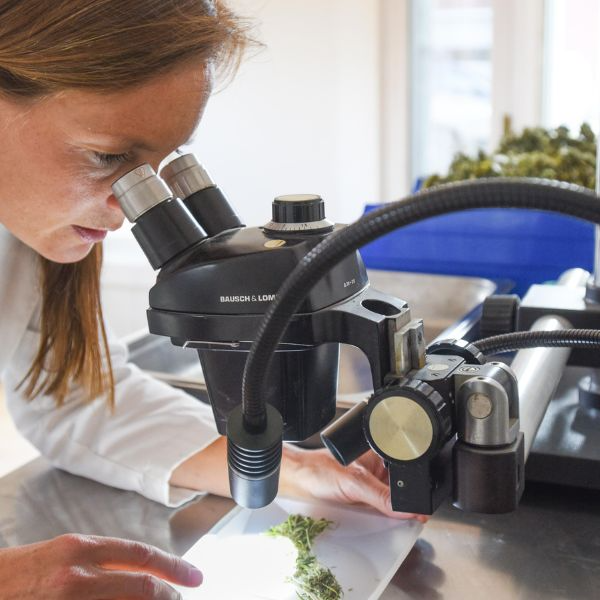
Reduced stigma naturally follows federal acknowledgment of therapeutic value, potentially accelerating state-level reforms and normalizing cannabis within mainstream healthcare conversations.
Implications for Solventless Extractors and Hash Makers
For solventless producers, this policy shift carries specific and compelling implications. The emphasis on real-world evidence and cannabinoid research creates space for hash makers to participate in medical cannabis development conversations. Clean, solventless extraction methods align perfectly with the medical sector's demand for purity and therapeutic efficacy. As regulated medical markets expand, expect growing interest in full melt hash, rosin, and other solventless concentrates from patients seeking pharmaceutical-grade alternatives without residual solvents.
Schedule III classification may also ease practical operational challenges that have plagued extractors. Banking access, laboratory partnerships, and insurance coverage become more feasible when working with substances not classified alongside heroin and LSD. However, legitimacy brings scrutiny. Quality and compliance expectations will likely intensify, with tighter oversight on cannabinoid ratios, contaminant testing, and labeling accuracy. Hash makers who already prioritize clean genetics, proper washing techniques, and transparent testing are positioned advantageously as standards rise.
The shift may also elevate demand for verified genetics that produce therapeutic-grade resin. Cultivars selected specifically for trichome quality, terpene profiles, and clean separation during washing could become increasingly valuable as medical programs seek consistent, high-quality starting material for solventless production.
What Hash Makers Should Watch Moving Forward
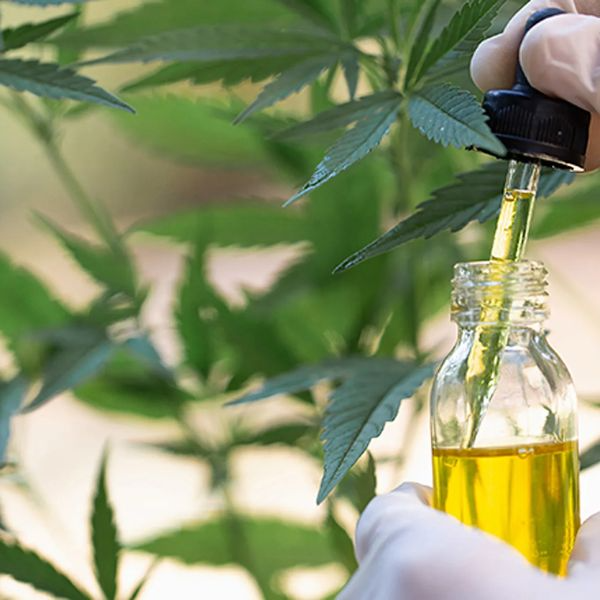
Several evolving areas deserve close attention from the solventless community. Product categorization remains uncertain. Will solventless extracts receive distinct regulatory treatment compared to hydrocarbon or ethanol-based concentrates? The absence of residual solvents and reliance on physical separation could position hash and rosin favorably in medical frameworks prioritizing product purity.
State versus federal tensions won't disappear overnight. While federal rescheduling signals major progress, individual states maintain authority over their cannabis programs, and adult-use markets may continue operating under different rules than medical ones. THC content thresholds for hemp-derived and full-spectrum CBD products will directly impact how certain solventless products are classified or marketed, particularly those containing minor amounts of THC.
Perhaps most intriguing are potential clinical partnership opportunities. As medical research expands, hash makers with expertise in terpene preservation and full-spectrum profiles may find collaborative opportunities with researchers exploring entourage effects and cannabinoid therapies.
Final Thoughts
Whether you're operating a commercial hash lab or pressing rosin at home, this executive order represents validation of work that advocates, extractors, and patients have championed for years. Federal rescheduling acknowledges what solventless producers have known all along: cannabis has legitimate therapeutic applications, and clean extraction methods matter. The solventless movement isn't just reacting to policy changes; it's actively shaping how medical cannabis products are conceptualized and produced. This moment isn't the finish line, but it's unquestionably a major milestone on the path toward full cannabis legitimacy and acceptance.
Thoughts? Let us know by joining our secret Facebook group. Hang out with a community of like-minded solventless heads like yourself. Ask our head extractor questions, share your latest press and learn from hobbyists and experts in the industry.

Leave a comment
Please note, comments must be approved before they are published