

Should You Collect Resin From Each Bag After Every Wash?


Cannabis enthusiast and student of the art of solventless extraction
Whether you're just getting started or you've been washing hash for years, you might wonder whether you need to stop and collect the resin from your sieving bags after every single agitation cycle. It's a fair question, and the short answer is that it genuinely depends. The longer answer is what makes hash making an art as much as a science.
Let's break it down.
What We're Actually Talking About
When you're running an ice water extraction, your cannabis material goes through multiple wash cycles in the mixing vessel. With each pass of agitation, trichome heads separate from the plant material and migrate down through your stacked sieving bags, settling in their respective micron layers. The question is: do you need to pause between each cycle to scoop that collected resin, or can you let it sit and accumulate across several washes before harvesting it?
The community is genuinely split on this, and experienced hash makers on both sides of the debate have solid reasoning behind their approach.
The Case for Collecting After Every Cycle
If your primary goal is producing top-shelf, full-melt quality hash, collecting from your bags after each wash cycle gives you the most control over your output. Running shorter cycles and collecting in between lets you monitor the quality and yield of each individual wash. You can see exactly what came off the plant in wash one versus wash five. This kind of data helps you dial in your process over time and know when the plant has given you everything it has to offer.
There's also a very practical reason to collect frequently, which is temperature and contamination risk. If your wash room isn't running cold, or if ambient temperatures are on the warmer side, resin sitting in your bags between wash cycles can begin to soften and grease up. When that happens, it can clog the fine mesh of your sieving bags and make drainage slow and difficult. A plugged 25-micron bag is nobody's idea of a good time. Collecting frequently keeps the mesh clear and drainage flowing.
The Case for Running Multiple Cycles Before Collecting
On the other hand, plenty of experienced hash makers prefer to run all of their wash cycles back to back and collect everything at the very end. This approach is far more efficient, particularly if you're running production-scale operations or working with larger batch sizes. Stopping to collect, rinse bags, and reset between every cycle adds significant time and labor to an already involved process.
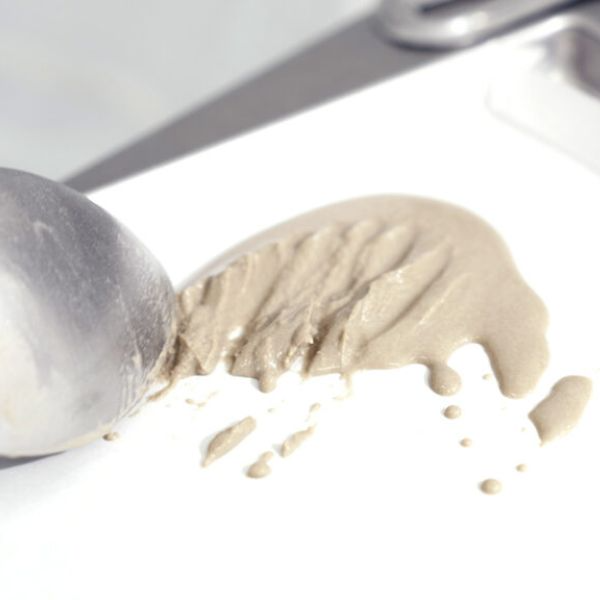
Some hash makers who press their bubble hash into rosin, rather than presenting it as full-melt for direct consumption, find that collecting at the end works perfectly well for their purposes. If you're pulling full-spectrum heads across a wider micron range and pressing them into live rosin, the grade-by-grade distinction that comes from per-cycle collection matters less than overall yield and efficiency. Running 5 to 6 full cycles back to back and collecting all at once at the end is a workflow that many serious producers swear by.
The key if you're skipping collection between cycles is to make sure you rinse your bags thoroughly. A good rinse after each cycle keeps the mesh from clogging even if you aren't scooping the resin out yet. Cold water rinsing during cycles helps keep drainage clean without requiring a full harvest every time.
The Variables That Should Guide Your Decision
As with most things in hash making, the right answer depends on several overlapping factors. Your batch size matters. Washing 40 gallons of ice water with a large load of material in a single collection bag can make it physically difficult to collect after every cycle without significant slowdown. Your target micron range and the quality you're chasing also matter. The equipment you're running, your wash room temperature, the specific cultivar you're working with, and even your ice quantity and water temperature all play a role.
That last variable, the cultivar, deserves special attention. Some genetics are hardy and stable through multiple wash cycles, producing clean trichomes that hold up well even if you let them sit in the bags between passes. Other strains are more delicate or produce resin that's quicker to soften in the collection bags. The only way to know how a particular cultivar behaves is to run it and pay attention.
Our Recommendation Is...Try Both
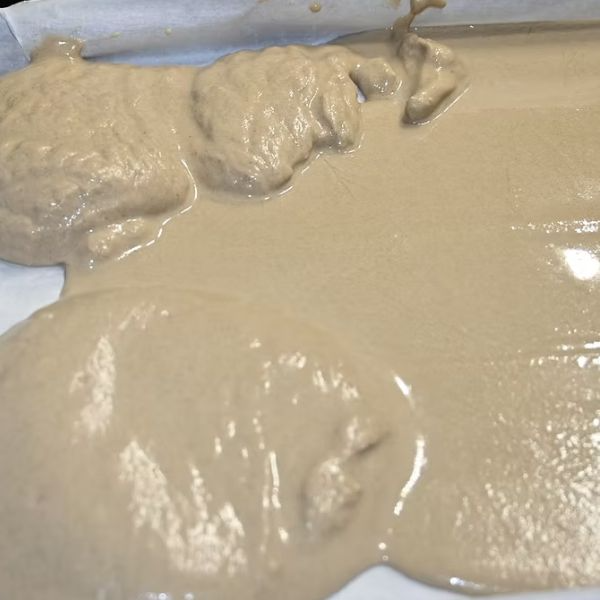
There's no universally right or wrong approach here. If you're newer to washing hash, try collecting after every cycle for a run or two. This will teach you a lot about how your material behaves, what each wash produces, and when the plant starts to give diminishing returns. Once you understand your setup and your cultivar's tendencies, you can experiment with letting resin accumulate across multiple cycles to see how it affects your workflow and your final product.
The best hash makers are the ones who stay curious, track their results, and adapt their process based on what they observe. Keep your bags rinsed, keep your water cold, and keep experimenting. The answer that works best for you is the one you arrive at through your own hands-on experience.
Thoughts? Let us know by joining our secret Facebook group. Hang out with a community of like-minded solventless heads like yourself. Ask our head extractor questions, share your latest press and learn from hobbyists and experts in the industry.

Leave a comment
Please note, comments must be approved before they are published