

Should You Use Beneficial Insects in Your Solventless Garden?

Cannabis enthusiast and student of the art of solventless extraction
If you're serious about solventless, you’ve probably already embraced the maxim that quality starts in the garden. Every decision you make from seed to harvest has downstream consequences for the resin you are trying to protect and preserve. Genetics, environment, nutrition, light, water quality, harvest timing, all of it feeds into what ends up in your bubble wash bags and eventually on your press plates. Pest management is no different. In fact, for solventless extractors and hash makers specifically, how you handle pests is a major decision in your entire growing program.
The reason is simple. Solventless extraction is unforgiving. There is no solvent to strip away contaminants, no post-processing step to purge residuals, no way to hide what went into the plant. If pesticides were applied to the crop, traces of those chemicals have a direct path into your finished hash and rosin. For anyone serious about producing clean, pure, full-spectrum solventless extracts, that is a problem without a good workaround.
Beneficial insects offer a different path. Rather than reaching for a spray bottle, growers who use biological pest control enlist living predators to do the work instead. It is a more complex approach than conventional pesticide application, but for solventless producers, the payoff in product purity and peace of mind is well worth understanding.
What Biological Pest Control Actually Means
Biological control, or biocontrol, is the practice of managing pest populations by introducing natural predators or competitors into the growing environment. Instead of killing pests chemically, you are creating a living ecosystem within your garden where pest populations are kept in check by other organisms that hunt and consume them. It is the same dynamic that plays out in healthy natural environments everywhere, applied deliberately inside your grow space.
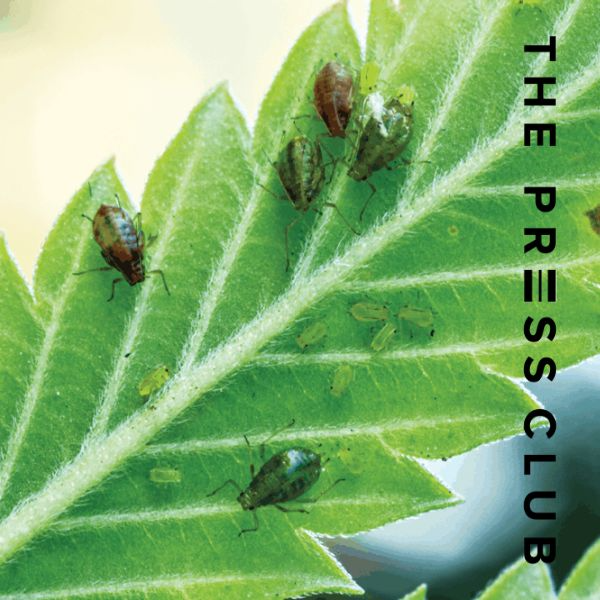
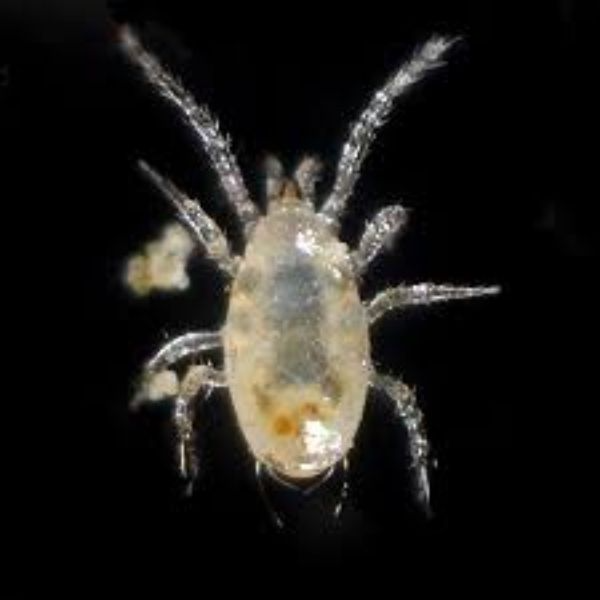
The most common pests cannabis cultivators encounter include spider mites, russet mites, thrips, fungus gnats, and aphids. Each of these has natural enemies that can be introduced to a controlled growing environment. Predatory mites like Amblyseius swirskii are among the most widely used biocontrol agents in cannabis cultivation. These small but aggressive hunters are effective against multiple pest species and can be deployed preventatively before any visible infestation takes hold.
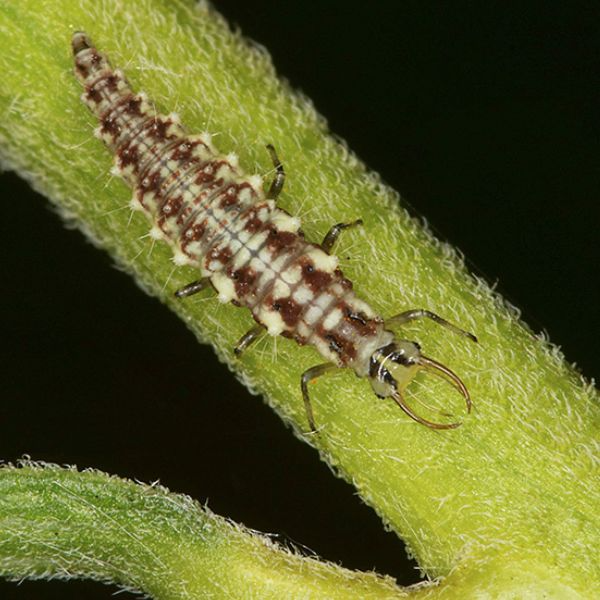
Lacewing larvae are another powerful option, particularly effective against aphids, thrips, and small soft-bodied insects. Rove beetles work in the growing medium itself, targeting fungus gnat larvae and other root-zone pests.
These beneficial organisms are typically introduced through sachets that hang directly on the plants, releasing insects at a controlled rate over time, or through direct inoculation of the growing medium. Some growers maintain a standing population of predatory insects at all times, regardless of whether an active infestation is present. That preventative mindset is exactly the right approach. By the time you can see a pest problem with the naked eye, the population is already well established and harder to bring under control.
Why This Matters More for Solventless Than Anything Else
The solventless community has built its identity around purity. Consumers who seek out ice water hash and rosin are, by and large, doing so because they want a product that represents the plant as it actually is with its natural cannabinoid and terpene profile, captured and concentrated without chemical intervention. When a grower applies pesticides to cannabis that is destined for solventless extraction, that commitment to purity is broken at the source, often without the end consumer ever knowing.
This is not a hypothetical concern. Testing has repeatedly shown that pesticide residues concentrate during extraction. The same process that concentrates trichomes also concentrates anything else present in the plant material. For solvent-based extraction, there are mitigation strategies available. For solventless, there are not. What goes into the wash is what comes out of it, amplified.
Biological pest control eliminates this risk entirely. There are no chemical residues to worry about because no chemicals were applied. The predatory insects introduced either die off naturally once their food source is gone or remain as harmless participants in the garden ecosystem. Either way, they leave no trace in your finished product.
Making Biocontrol Work To Your Advantage
Switching to a biocontrol program requires some adjustment in how you think about pest management. The reactive approach of spraying when you see a problem does not translate well to biological methods. Beneficial insects work best when they are established proactively, before pest populations have a chance to explode. This means introducing predatory mites and other beneficial species on a regular schedule, treating your garden like the living system it actually is rather than a sterile production environment to be periodically treated.
Environmental conditions matter too. Predatory mites thrive in specific temperature and humidity ranges. If your grow environment is too hot, too dry, or too cold, the beneficial insects you introduce may not survive long enough to be effective. This is one more reason why environmental control in a solventless grow space is so tightly connected to overall quality outcomes. Getting your climate dialed in supports not just the plants but the entire ecosystem you are trying to cultivate.
Biocontrol programs also work best when they are layered. Using a single species of predatory mite to combat every possible pest is not as effective as deploying multiple species that each specialize in different prey. Pairing something like Amblyseius swirskii for broad-spectrum mite and thrip management with lacewing larvae for aphid control and rove beetles for root-zone protection gives you coverage that is harder for any one pest species to overwhelm. Think of it as building a team, not deploying a single weapon.
Clean Plants, Clean Hash
For solventless producers, the choice to use beneficial insects is really an extension of the same philosophy that drives everything else in the practice. You choose ice water extraction because it is clean. You use food-grade nylon wash bags because the purity of your materials matters. You monitor water temperature carefully because the process deserves precision. Biological pest control fits right into that same framework, connecting the values you hold at the press all the way back to decisions made in the garden.
Growing clean cannabis for solventless extraction is demanding work. It requires attention, investment, and a genuine commitment to doing things right at every step of the process. Embracing beneficial insects as your primary pest management strategy is one of the clearest expressions of that commitment. The result is starting material you can wash with complete confidence, knowing that what hits your bubble wash bags is exactly what it should be: nothing more, nothing less.
Thoughts? Let us know by joining our secret Facebook group. Hang out with a community of like-minded solventless heads like yourself. Ask our head extractor questions, share your latest press and learn from hobbyists and experts in the industry.

Leave a comment
Please note, comments must be approved before they are published