

Stop Guessing When to Pull Your Hash from the Freeze Dryer


Todde Philips
🇺🇸 Retired veteran, father, rock-climbing expert & rosin connoisseur.
The Moment Every Hash Maker Dreads. You've done everything right, you sourced quality starting material, ran a clean wash, collected beautiful trichomes across your bags, and got everything loaded into the freeze dryer. Now comes the part that trips up even experienced hash makers: knowing exactly when to pull that hash out. Too soon and you're dealing with moisture issues. Too long and you've quietly burned off the terpenes and cannabinoids that make your hash worth all the effort in the first place.
The challenge is that most of us learned to freeze dry by feel and forum advice. A common recommendation floating around the community is 18 to 24 hours, which is a reasonable starting point, but it treats every batch the same. And in reality, no two batches are identical. Tray thickness, machine load, strain characteristics, and ambient conditions can all shift the actual drying endpoint by several hours in either direction. That means if you're running the same cycle every time, you're probably overdrying some batches without even knowing it.
What Happens When You Leave It Too Long
The thing about overdrying that makes it such a silent problem is that the hash still looks done. It's dry to the touch, it breaks apart cleanly, and nothing about its appearance raises a red flag. But third-party lab testing tells a different story.
When bubble hash is kept in the freeze dryer well past its drying endpoint, measurable losses occur in both terpene content and total cannabinoids. These aren't catastrophic numbers that will make your hash fail a test, but they represent a real degradation of quality, specifically in the volatile aromatic compounds that give premium hash its character. The flavor. The nose. The whole sensory experience that separates a six-star hash from something merely acceptable.
The reason this happens comes down to how freeze drying actually works. Under vacuum, the boiling point of water drops dramatically, which is exactly what makes sublimation possible. But the same vacuum environment also lowers the volatility threshold for terpenes and other delicate compounds. The longer the vacuum runs after the hash has technically dried, the more of those fragile aromatics get pulled off along with any remaining moisture. Essentially, you're continuing to strip compounds from hash that didn't need any more drying to begin with.
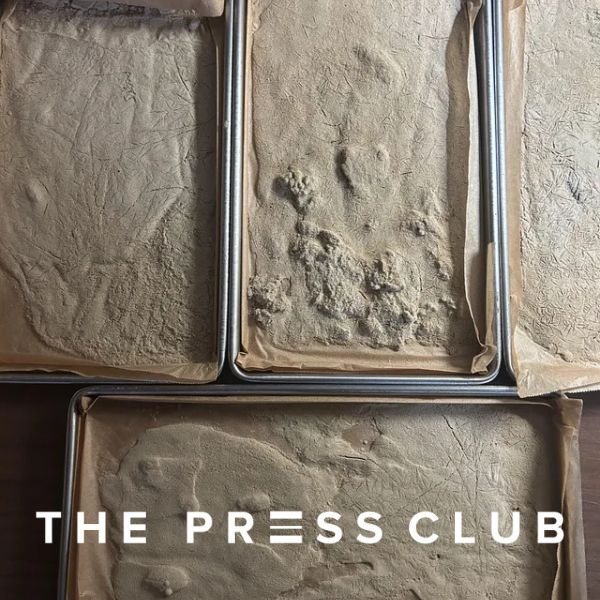
Why a Timer Alone Isn't Enough
Relying purely on a set run time to determine dryness is like using a clock to know when your rosin is done pressing. It gives you a general window, but it can't account for the variables that shift from batch to batch. What you really need is a way to verify dryness rather than assume it.
One of the most practical approaches is to run slightly shorter cycles and use a moisture meter to confirm that your hash has reached a stable, safe moisture level before you call it done. Once you've done this across several batches, you'll develop a much better sense of where your specific setup and material typically land. That institutional knowledge then becomes repeatable and reliable in a way that a fixed timer never can be.
Another valuable tool for dialing in the process is a freeze dryer monitor that tracks vacuum behavior in real time throughout the cycle. The vacuum pressure inside the chamber changes as sublimation occurs, and watching that curve can give you a clear signal when the majority of moisture removal has already happened. When the system is no longer actively pulling significant moisture, continuing the cycle at full vacuum only creates unnecessary risk of compound loss.
Investing in Better Control
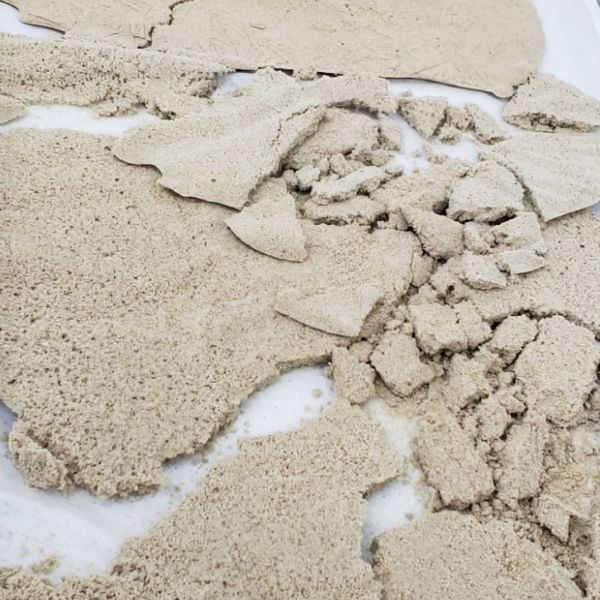
Not all freeze dryers give you the same level of control over the drying process, and that difference matters more than many hash makers realize. Entry-level machines often run on simple preset cycles with limited ability to adjust temperature and vacuum levels as the cycle progresses. They can still produce excellent hash, but they leave less room for fine-tuning.
More advanced freeze dryer systems allow operators to step vacuum levels down gradually across the cycle rather than maintaining full vacuum from start to finish. In theory, this more controlled approach allows water to sublimate efficiently while reducing the risk of pulling off terpenes before their time. For commercial producers where consistency and quality across every batch are non-negotiable, this kind of precision is worth serious consideration.
Treat the Finish Like the Rest of Your Process
The solventless community puts an enormous amount of attention and care into every stage of the hash-making process. Genetic selection, growing conditions, harvest timing, wash water temperature, agitation technique, filtration, collection. Every variable gets scrutinized because every variable matters. The freeze drying step deserves that same level of attention.
Pulling your hash at the right moment is not a minor detail. It's the final step that either locks in or compromises the quality of everything that came before it. A batch of stunning fresh frozen bubble hash can lose meaningful terpene content simply by sitting in the freeze dryer a few hours longer than it needed to. That's a hard pill to swallow after everything else you've done right.
Start checking your hash earlier than you think you need to. Use a moisture meter to confirm dryness rather than assuming it. Pay attention to how your specific machine behaves across different batch sizes and strains. Keep notes. Build a process that's informed by what's actually happening inside that chamber, not just by a timer on the wall.
The wash is where great hash begins. The freeze dryer is where great hash is preserved. Treat both with equal care and your finished product will reflect it.
Thoughts? Let us know by joining our secret Facebook group. Hang out with a community of like-minded solventless heads like yourself. Ask our head extractor questions, share your latest press and learn from hobbyists and experts in the industry.

Leave a comment
Please note, comments must be approved before they are published