

The Best Ice Shape for Washing Hash and Why It Matters

Cannabis enthusiast and student of the art of solventless extraction
Ice water extraction is one of the foundations of solventless cannabis concentrate production. You're using cold water and agitation to separate trichome heads from plant material, and if you do it right, you end up with pristine resin. If you do it wrong, you get contaminated hash and a whole lot of wasted effort.
Most hash makers obsess over their bags, their wash technique, and their starting material. All of that matters. But there's one variable that doesn't get enough attention, which is the ice itself. Not all ice is created equal when it comes to washing hash. The shape, density, and melt rate of your ice can make or break your wash.
Let's break down why ice shape matters and which types will give you the cleanest trichomes.
Why Ice Shape Matters in Ice Water Hash Extraction
Ice does three things during a hash wash: 1) it agitates the material, 2) keeps everything cold, and 3) helps separate resin glands from plant matter. The trick is finding the balance between effective agitation and not beating your trichomes to death in the process.
Ice shape influences how much surface area contacts your material, how quickly it melts, and how it moves around in the vessel. A slow-melting cube with smooth edges behaves very differently than a pile of crushed nugget ice. One preserves delicate trichome heads. The other can shred them.
Understanding these differences means you can dial in your wash for cleaner, higher-quality hash.
Overview of Common Ice Shapes and Their Effects
Let's look at the most common types of ice and how they perform in a hash wash.
Regular Cube
These are large, solid cubes with a slow melt rate. They're ideal for commercial wash rooms running large batches because they provide consistent cooling without breaking down too quickly. The reduced surface friction means they're gentler on trichome heads, which is exactly what you want.
Full Cube
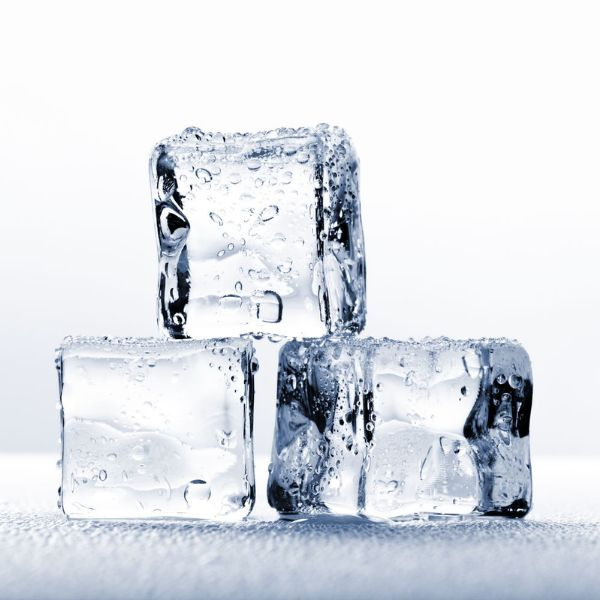
Similar to regular cubes but slightly smaller and more uniform. They offer stable, consistent cooling and work well for high-volume washes where you need reliable flow control. Another solid choice for preserving quality.
Half Cube
Smaller than full cubes, these move around more dynamically in the vessel. They have a moderate melt rate and offer versatility for more hands-on applications. They're a middle-ground option that works for a variety of setups.
Nugget Ice
Soft, porous, and quick-melting. Nugget ice is the stuff you get at Sonic, and while it's great for soft drinks, it's terrible for hash. The irregular shape and fast breakdown can easily damage trichomes. Generally not recommended unless you enjoy disappointing results.
Flake Ice
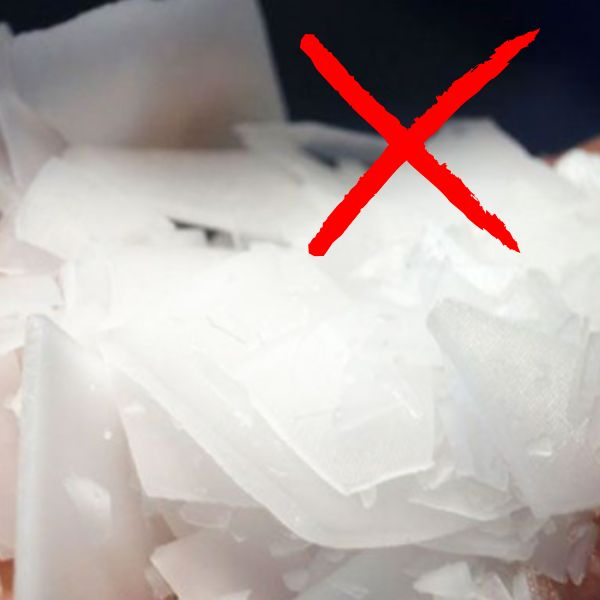
This has a snow-like texture with high surface area. It melts quickly and lacks the weight needed for effective agitation. Flake ice is better for packing around biomass to keep things cold, but it's not doing you any favors during the actual wash.
Crescent Ice
These have a unique half-moon shape that doesn't pack tightly. They move erratically in the vessel, which can lead to inconsistent resin separation. Not the worst option, but far from ideal.
Gourmet Ice
Dense, high-end cubes, often cylindrical or octagonal. They have a very slow melt rate and are excellent for small-batch, high-quality washes where you're working with premium material. They're expensive and less common, but if you're chasing perfection, gourmet ice might be worth the investment.
Ideal Ice for Solventless Hash Washing
When it comes to washing hash, you want ice that prioritizes slow melt, consistent agitation, and low impact on trichomes. Full-size, hard ice cubes are your best bet. Regular cubes, full cubes, and gourmet ice all fit the bill.
Avoid soft, fast-melting options like nugget and flake ice. They break down too quickly and create friction that damages delicate trichome heads. You're not making a slushie here. You're trying to preserve microscopic resin glands that determine the quality of your final product.
A Few Tips for Ice in Your Wash Vessel
1. Be cautious about combining different ice sizes. Too much movement from mixed shapes can create unwanted friction and inconsistent results.
2. Always use fresh, clean water and monitor temperature throughout your washes. Keeping things consistently cold without over-agitating is the goal.
3. Use insulation around your wash vessel
Considerations for Commercial vs. Small-Batch Washers
Commercial operators running large batches might prioritize durability and slow melt rates, leaning toward regular or full cubes that can handle extended wash cycles without breaking down.
Small-batch or boutique producers might experiment with gourmet ice or half cubes for more control and precision, especially when working with limited quantities of premium material.
There's also the question of sourcing. Are you buying bagged ice, or are you making it in-house? Making your own gives you full control over water quality and ice shape, but it requires the right equipment. Sourcing ice is easier but means you're at the mercy of what's available locally.
Conclusion
Ice shape affects final product quality more than most people realize. It's not just about keeping things cold. It's about how that ice interacts with your material, how long it lasts, and how gently it agitates without destroying what you're trying to collect.
If you're serious about solventless extraction, take the time to experiment with different ice types and document your results. Pay attention to trichome integrity, contamination levels, and overall yield.
The right ice isn't just about temperature. It's about technique, shape, and showing respect to the resin that make all of this worth it in the first place.
Thoughts? Let us know by joining our secret Facebook group. Hang out with a community of like-minded solventless heads like yourself. Ask our head extractor questions, share your latest press and learn from hobbyists and experts in the industry.

Leave a comment
Please note, comments must be approved before they are published