

The History of Cannabis Concentrates: How Rick Simpson Oil (RSO) Became The Future Wave of Solventless
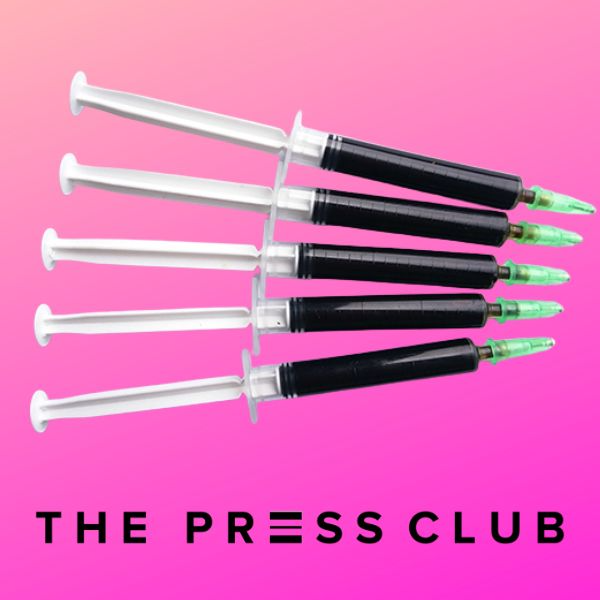

Cannabis enthusiast and student of the art of solventless extraction
Every movement has an origin story, and for the modern cannabis concentrates community, one of the most important chapters was written by a man who never set out to change cannabis at all. Rick Simpson helped plant an idea in the public consciousness that still drives the solventless world today, which is that cannabis medicine should belong to the people, and that consumers deserve to know exactly what is in the extract they put in their bodies. That simple demand for clean, whole-plant medicine is the thread that connects a Canadian boiler room in the 1990s to the rosin and bubble hash on dispensary shelves right now.
The Accidental Pioneer
Before there was oil, Rick Simpson was a Canadian power engineer working in hospital maintenance. His world was mechanics, boilers, and problem solving, not cannabinoids. That changed in 1997, when a poorly ventilated boiler room filled with spray adhesive fumes. Simpson collapsed off a ladder and struck his head on steel. The aftermath was brutal: tinnitus, vertigo, and post concussion syndrome that lingered for years. Pharmaceuticals failed to give him relief. Cannabis, he found, helped when nothing else did.
That personal turning point set everything in motion. Simpson learned to make full cannabis oil from D. Gold's book Cannabis Alchemy, and by 1999 he had produced his first batches of what the world would come to call RSO.
The Birth of Phoenix Tears
The story that truly launched RSO came in 2003, when Simpson said basal cell carcinoma appeared on his nose and cheek. He applied his homemade cannabis extract under a bandage and later claimed the lesions appeared to clear. Out of that story, Phoenix Tears was born.
From 2004 to 2009, Simpson grew indica plants and made oil using simple rice cookers. There were no sales, no pricing, and no business plan. He gave the oil only to sick people who sought it out, and he refused money for it. Testimonials spread by word of mouth, and a grassroots reputation grew around the idea that a homemade extract could help people who felt they had run out of options.
Pushback, Prosecution, and a Global Message
Giving away cannabis oil in that era came at a cost. RCMP raids escalated, and in 2005 police seized over 1,600 plants. When Simpson went to court in 2007, patient testimony was blocked, and he received a guilty verdict along with a 2,000 dollar fine. He avoided prison, and the judge acknowledged his humanitarian intent.
The pressure eventually forced Simpson out of Canada in 2013. He settled in Croatia and spoke to audiences around the world until a 2018 stroke removed him from public life. His wife, Danijela, now manages his digital presence. Importantly, he does not sell oil and has no representatives in other countries, a fact worth remembering in a market full of products that borrow his name.
What RSO Actually Is
It helps to be precise about the product itself. RSO is a full extract cannabis oil made from strong indica buds. It is not a distillate. The original method used naphtha as the solvent, though ethanol or CO2 are more common now. The goal is a high THC extract that keeps minor cannabinoids intact, and by Simpson's rules, it should come from indica only.
His well-known 90 day protocol called for 60 grams of oil, titrated slowly over time. Simpson argued that indica oil was less likely to cause panic reactions, while sativa based oil could trigger them. The claims attached to RSO, including apoptosis and anti angiogenesis through the endocannabinoid system, point to areas researchers are genuinely studying. It is worth being honest here: science supports potential, not miracles. The word cure remains a dangerous one, and responsible members of this community should treat it that way.
From Underground Remedy to Dispensary Shelf
Today, RSO is a dispensary SKU generating millions in sales. Most of those products have no real link to Rick Simpson at all. His true legacy is not any single oil or protocol. It is the idea that cannabis medicine belonged to the people first, and that consumers should be able to make and understand their own extracts.
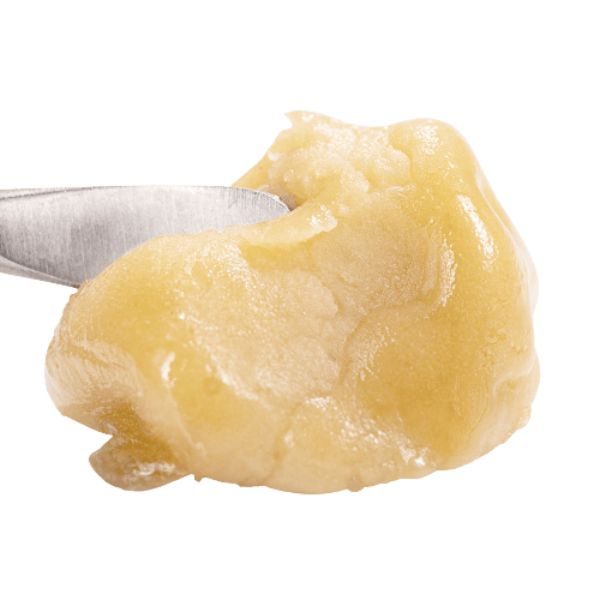
That idea is exactly where RSO opened the door to solventless. RSO taught a generation to want whole-plant, full-spectrum extracts they could trust. But as awareness grew, so did questions about residual solvents like naphtha. People wanted the purity of the plant without anything left behind. Ice water extraction and rosin pressing answered that call, delivering the same full-spectrum, made-it-myself spirit with nothing but ice, water, heat, and pressure. RSO lit the fuse, and solventless became the cleaner path forward.
Conclusion
Rick Simpson's journey was never really about a rice cooker or a bandage. It was about giving people ownership over their own cannabis medicine. This principle lives on every time a hash maker washes a fresh frozen batch or presses a jar of rosin at home. The tools have improved, and the methods have gotten cleaner, but the mission is the same.
If you are ready to carry that clean, whole-plant tradition forward, The Press Club has the American-made gear to do it right. Explore our bubble wash bags and rosin bags and start crafting extracts you can stand behind.
Thoughts? Let us know by joining our secret Facebook group. Hang out with a community of like-minded solventless heads like yourself. Ask our head extractor questions, share your latest press and learn from hobbyists and experts in the industry.

Leave a comment
Please note, comments must be approved before they are published