

The History of Cannabis Concentrates: When Wax Paved A Way

Cannabis enthusiast and student of the art of solventless extraction
Cannabis concentrates are not a new invention. Long before lab-coated extractors were blasting hydrocarbons or pressing rosin under hydraulic pressure, humans were separating the most potent parts of the cannabis plant and finding ways to consume them in concentrated form. Hashish, made by collecting and pressing the resin glands from cannabis flowers, has been produced across Central Asia and the Middle East for centuries. Traditional methods like hand-rolling and dry-sifting yielded a product that, by modern standards, was relatively modest in potency. But the intent was always the same: get more out of the plant by working with the trichomes, not just the flower itself.
That ancient impulse eventually collided with modern chemistry, and what came out the other side was a concentrate market that would reshape cannabis culture entirely.
Butane Takes the Wheel
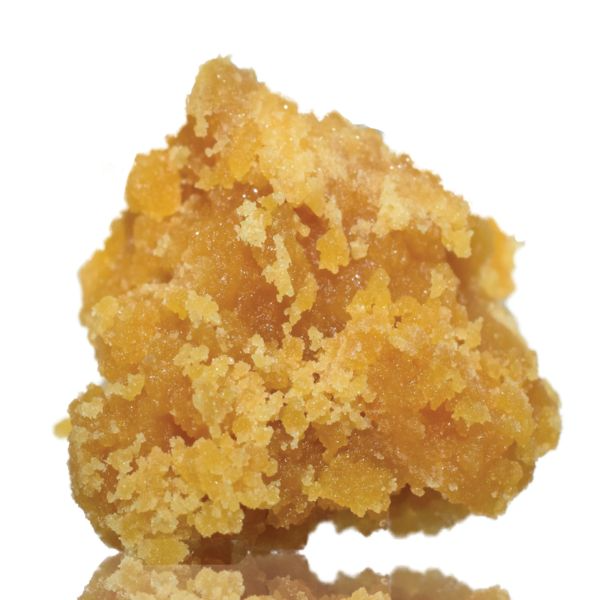
The modern concentrate era really kicked into gear with the widespread adoption of Butane Hash Oil, better known as BHO. Through a process of passing pressurized butane through cannabis material and then purging the residual solvent, extractors were able to produce concentrates hitting 80 to 90 percent THC, a dramatic leap from the 10 to 25 percent consumers were getting from flower. The result was shatter, wax, and crumble: glassy, sticky, amber-colored products that promised a full experience in a single dab.
By the mid-2010s, dab rigs and torches were showing up everywhere legal cannabis had taken hold. Hash bars and dab lounges emerged in states like Colorado and Washington. The ritual of dabbing had its own gear, its own culture, its own learning curve. For a certain kind of cannabis consumer, wax was not just a product. It was a statement.
But the BHO boom had a dark side. With demand exploding and profit margins looking attractive, amateur extractors started setting up home operations using consumer-grade butane. Explosions and fires followed. By 2014, BHO lab incidents were being reported in dozens of states, prompting regulatory responses and a broader public conversation about the risks of solvent-based extraction.
The Vape Cart Era and Its Consequences
While dab culture was establishing itself among enthusiasts, a parallel development was quietly transforming the mass market: the pre-filled vape cartridge. Distillate-based carts offered something wax and shatter never could, which was portability and discretion. A cartridge fit in a pocket, produced no visible smoke, and came in flavors that made cannabis appealing to consumers who would never pick up a dab rig. The market responded accordingly.
That rapid growth also created an opening for counterfeit products. By 2019, unregulated and counterfeit vape cartridges cut with vitamin E acetate had caused more than 2,800 lung injuries and 68 deaths across the United States. The vape crisis, as it came to be known, cast a long shadow over the concentrate category and forced both regulators and consumers to ask harder questions about what exactly was in these products and how they were made.
Live Resin and the Flavor Revolution
Around 2017, a shift was already underway that pointed in a more promising direction. Extractors began working with fresh-frozen cannabis, material harvested and immediately frozen rather than dried and cured, to preserve the full terpene and cannabinoid profile of the living plant. The result was live resin: concentrates with dramatically richer flavor and a more complete chemical profile than anything made from dried material. Producers like Raw Garden helped push this method into California's mainstream market, and the idea that concentrates could lead with flavor rather than just raw potency started gaining traction.
The market data reflected all of this momentum. In 2016, concentrates made up roughly 10 percent of legal cannabis sales. By 2023, that figure had climbed to 37 percent. The consumer appetite for concentrated, refined cannabis products was not a passing trend.
Setting the Stage for the Solventless Takeover
Here is what all of that history actually produced: a cannabis consumer base that had been educated by wax. They knew what terpenes were. They owned dab rigs. They understood that the experience of consuming cannabis was about more than combustion. They had developed real expectations around flavor, potency, and quality. And once those expectations were established, they were primed for something better.
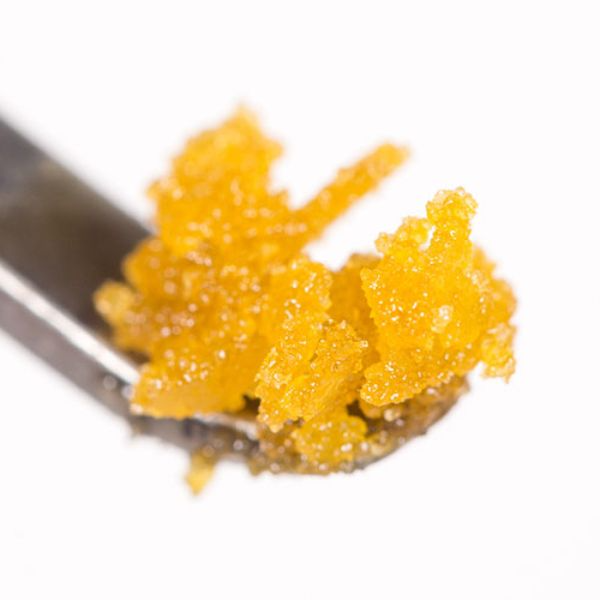
Solventless extraction, specifically bubble hash made through ice water extraction and rosin pressed without any chemical inputs, delivers on every promise the BHO era made without the compromises. No residual solvents. No chemical contamination risk. No corner-cutting with additives or fillers. Just water, ice, heat, pressure, and the plant itself.
Full-melt bubble hash and fresh press rosin represent the cleanest, most complete expression of what the cannabis plant has to offer. The terpene profiles are intact. The cannabinoid spectrum is preserved. The product is as close to the living plant as a concentrate can get. And increasingly, the market knows it. Solventless is no longer a niche pursuit for purists. It is the direction the entire premium concentrate segment is moving.
The Future is Solventless
Every era of cannabis concentrates was, in some sense, a step toward this one. Hashish proved that isolating trichomes was worthwhile. BHO proved that consumers wanted potency and would build entire subcultures around concentrates. Live resin proved that flavor and full-spectrum quality mattered as much as THC percentages. And somewhere in the arc of all that history, solventless extraction emerged as the answer that had been waiting to be found: the method that delivers everything the concentrate revolution was chasing, without any of the drawbacks.
The wax era built the appetite. Solventless is here to satisfy it.
Thoughts? Let us know by joining our secret Facebook group. Hang out with a community of like-minded solventless heads like yourself. Ask our head extractor questions, share your latest press and learn from hobbyists and experts in the industry.

Leave a comment
Please note, comments must be approved before they are published