

Top Hash Lab Myths You Should Know

Cannabis enthusiast and student of the art of solventless extraction
The wisdom of hash making is largely comprised of the tips and techniques that get passed around until they take on the weight of fact. From pressing temperatures to freeze dryer settings, the solventless community has accumulated a body of conventional thinking that, in some cases, does not hold up under scrutiny. Some of these myths are harmless. Others are actively costing hash makers quality, yield, and time.
Let's work through some of the most persistent misconceptions in the hash lab.
Myth: Low and Slow Always Produces Better Rosin
The "low and slow" approach to pressing rosin, meaning lower plate temperatures combined with longer press times, has a loyal following in the solventless community. The logic seems intuitive: less heat means less terpene degradation, and more time means more thorough extraction. It sounds right, but the reality is more nuanced.
Pressing at higher temperatures actually allows rosin to flow more quickly and exit the hot plates faster. That rapid movement away from the heat source is precisely what preserves terpenes. When rosin lingers under the plates at lower temperatures, it sits in the heat zone longer, which creates its own set of problems for volatile terpene compounds. The goal is always to get your rosin off the heat as efficiently as possible, and a well-calibrated higher-temperature press accomplishes that more effectively than a prolonged low-temp squeeze.
This does not mean cranking your plates to extreme temperatures. It means understanding that the relationship between heat, time, and terpene preservation is more complex than the low-and-slow shorthand suggests.
Myth: You Can Open Your Rosin Jar Straight from the Freezer
This one seems harmless enough, but it can quietly undermine the quality of your finished product. Pulling a jar of rosin out of the freezer and immediately cracking the lid introduces a real problem: condensation.
When warm air contacts the cold interior of a freshly frozen jar, moisture forms inside. That moisture diminishes the quality of your smoke and, more seriously, creates conditions where mold can take hold. This is not a theoretical concern. Mold in a sealed rosin jar is a genuine risk when moisture is introduced.
The fix is straightforward. Let your jar come to room temperature before opening it, which takes roughly 30 minutes depending on your environment. This small habit protects your product and costs nothing but a little patience.
Myth: Newer Harvest Right Freeze Dryers Need Special Hash Firmware
This one circulates frequently enough that it causes real confusion for people setting up their labs. The claim is that you need to install special hash-specific firmware on your Harvest Right freeze dryer to reach the low shelf temperatures required for properly drying bubble hash.
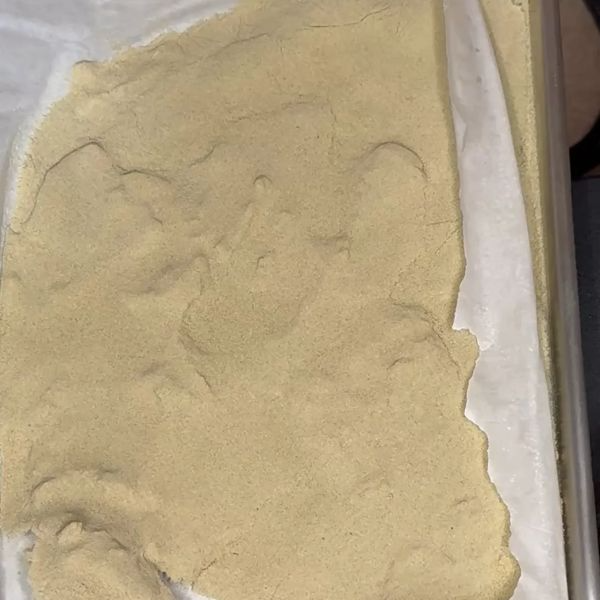
For anyone running a current-generation Harvest Right model, this is not the case. Newer units already reach the low shelf temperatures that hash drying requires right out of the box. There is no proprietary firmware update to hunt down, no modification necessary. If you are running a newer model, you have what you need. Check your unit's specs, confirm your shelf temperature capabilities, and skip the firmware rabbit hole entirely.
Myth: You Must Bag Your Hash in a Cold Room
The cold room requirement for bagging rosin has become something of a ritual for many hash makers, with some going to considerable lengths to maintain frigid working conditions before their hash ever touches a rosin bag. The reasoning is that warmth will cause the hash to soften and become difficult to handle.
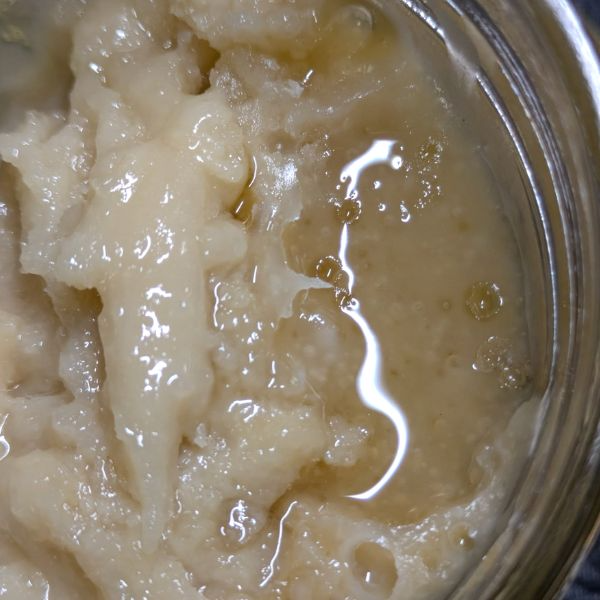
However, if your bubble hash has been properly dried in the freeze dryer, it is stable. Well-dried hash holds its form and its integrity at normal room temperatures. You do not need to work in a cold room to fill your bags cleanly and efficiently. What matters is the quality of the dry, not the ambient temperature of the room where you're bagging. Focus your energy on dialing in your freeze dryer process, and the bagging step will take care of itself.
Myth: The Lowest Possible Freeze Dryer Shelf Temperature Is Always Better
This myth is understandable in origin. Lower shelf temperatures sound like they should always be gentler on delicate terpenes, and in some contexts, that logic holds. But applying it universally leads hash makers to optimize for the wrong variable.
Whether the lowest possible shelf temperature is the right shelf temperature depends on two things: how much hash you are running and what vacuum levels you have set on the machine. When you are pulling a very deep vacuum, the shelf temperature becomes significantly less influential on the outcome. The vacuum level is doing the heavy lifting in terms of how your hash dries, and chasing the absolute lowest shelf temp under those conditions is not going to move the needle in any meaningful way.
Understanding the interplay between vacuum depth and shelf temperature, rather than treating either as an absolute rule, is what separates a dialed-in drying process from one that just follows a fixed recipe.
Building a Better Process
Good hash making is built on sound principles, not mythology. The techniques that actually improve your product are almost always grounded in understanding why something works, not just following a rule because someone else said it worked for them. Question the received wisdom, test your variables, and let your results guide your process. That is how the best hash makers in the world work, and it is available to anyone willing to approach the craft with curiosity and an open mind.
Thoughts? Let us know by joining our secret Facebook group. Hang out with a community of like-minded solventless heads like yourself. Ask our head extractor questions, share your latest press and learn from hobbyists and experts in the industry.

Leave a comment
Please note, comments must be approved before they are published