

Top Tips for Increasing Bubble Hash Yields


Cannabis enthusiast and student of the art of solventless extraction
Have you been here before? The process feels dialed in, the water is cold, the bags are good, and yet the yields stubbornly refuse to climb. The instinct is to look just at the agitation and mixing process itself, but yield optimization begins long before you fill a vessel with ice water. Getting more out of ice water extraction means paying attention to the full chain of decisions that leads up to it, from the genetics you select all the way through to how you handle material on harvest day.
This is not a beginner's overview of bubble hash. You already know how the process works. What follows are the lever points that experienced hash makers use to squeeze more from every run.
Genetics Are the Foundation
No amount of technique improvement can compensate for starting material that was never built for washing. Strains optimized for hash production tend to share a few consistent traits like dense trichome coverage, large-headed resin glands with short stalks, and heads that release cleanly from the plant material during agitation rather than shearing off at the neck and contaminating the wash water.
When yield is the priority, the conversation with your genetics source needs to be specific. Ask about trichome morphology, not just bag appeal or potency numbers. Some of the most impressive-looking flower washes out light, while certain cultivars that would never win a shelf competition produce remarkable returns in the hash bucket. Proven washing strains exist for a reason, and building your input library around them is one of the highest-leverage decisions you can make.
Terpene profile still matters, of course. A high-yielding cultivar that produces flat, uninteresting hash is a limited win. The goal is finding the strains where yield and quality converge.
Cultivation Decisions That Affect Trichome Density
Once you have the right genetics, the growing environment determines how fully that genetic potential is expressed. Trichome production responds to specific inputs, and growers targeting hash production should be paying close attention to a few key areas.
Environmental stability through the flowering cycle matters more than most hash makers realize. Significant swings in temperature or humidity during late flower can stress the plant in ways that reduce resin quality. Dialing in a consistent environment, particularly in the 40 to 50 percent relative humidity range during flower, gives trichomes the conditions they need to fully develop.
Lighting quality in the final weeks of flower is another meaningful variable. Full-spectrum lighting with UV-B exposure in late flower has shown measurable effects on resin density for many cultivars. This is one area where small adjustments to your grow protocol can show up directly in your hash yields.

Nutrition should shift toward later-stage feeding profiles as the plant approaches harvest, with reduced nitrogen and attention to phosphorus, potassium, and silica inputs. Silica in particular has a well-established relationship with trichome structure and durability during the washing process.
Handle Your Harvest Like It Matters
Trichomes are physically fragile, and a significant amount of potential yield is lost between the plant and the wash bucket through rough handling. Harvest in a cool environment whenever possible. Heat softens and degrades trichome heads, and harvesting during the hottest part of the day or in a warm room starts the degradation clock early.
Sharp trimming tools are not optional at this level of production. Dull scissors and trimmers crush and shear plant tissue rather than cleanly separating it, and that mechanical damage shows up in your wash as contamination and reduced output. Minimize direct contact with the buds throughout the trimming process. The oils from your hands and the physical pressure of excessive handling both work against you.
For hash makers working with fresh frozen material, the window between harvest and freezer is critical. Flash-freezing immediately after harvest is the standard for a reason. Every hour at ambient temperature after harvest is an hour of terpene and trichome degradation that no wash technique can recover.
Optimize the Wash Itself
With quality genetics, sound cultivation, and careful handling feeding your process, the wash is where everything comes together. Temperature, agitation, and wash duration are the three variables with the most direct influence on output.
Cold water is non-negotiable. Keeping wash temperatures in the near-freezing range is what keeps trichome heads intact and mobile during agitation. Whether you are running ice, a water chiller, or a cold room setup, maintaining low temperatures throughout the entire wash and collection process is fundamental.
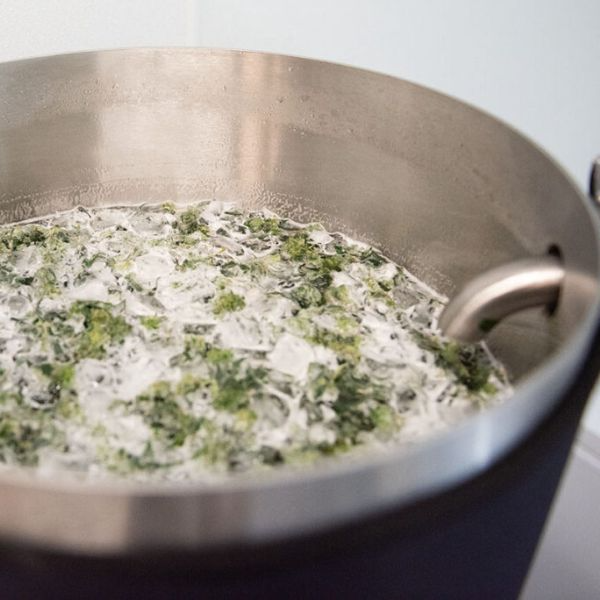
Agitation method and duration deserve more attention than they often receive. Over-agitation is a real problem, particularly for hash makers trying to push for bigger yields by extending wash time. Longer is not always better. Multiple shorter wash cycles, typically in the five to fifteen minute range, tend to produce better results than extended single runs, preserving trichome integrity while improving overall collection across the cycles.
The Consistency Payoff
Yield improvements in hash making rarely come from a single dramatic change. They come from systematically tightening up each stage of the process and making that tightened process repeatable. Keep notes on your runs. Track water temperature, agitation time, starting material weight, and output by micron range. The data you collect from your own operation is the most valuable guidance you have.
Genetics, cultivation, handling, and wash technique each contribute to what ends up on your collection screen. When all four are working together, the results reflect it.
Thoughts? Let us know by joining our secret Facebook group. Hang out with a community of like-minded solventless heads like yourself. Ask our head extractor questions, share your latest press and learn from hobbyists and experts in the industry.

Leave a comment
Please note, comments must be approved before they are published