

Training Cannabis Plants vs Sea of Green Setup for Solventless

Todde Philips
🇺🇸 Retired veteran, father, rock-climbing expert & rosin connoisseur.
Most cannabis growers that think about plant training or grow room setup are focused on maximizing flower yield. For hash makers and solventless extractors, the conversation takes on a different dimension. The goal isn't really about producing the most bud volume. The whole game revolves around producing the best trichomes, and lots of them. That shift in priorities changes how you should think about everything from canopy management to harvest frequency.
Two popular approaches dominate the indoor growing conversation right now, which are traditional plant training techniques and the Sea of Green (SOG) method. Both can produce excellent cannabis, but each has distinct implications for solventless production. Whether you're washing bubble hash or pressing rosin, the way you grow your plants will directly affect the quality and quantity of what ends up in your jar.
The Case for Plant Training
Plant training encompasses a range of techniques designed to shape the canopy and increase bud sites. Methods like low-stress training (LST), topping, and Screen of Green (ScrOG) all aim to create a more uniform canopy that receives even light distribution. For solventless producers, this can translate to more consistent trichome development across the plant, since each cola is receiving similar light intensity.
The trade-off is time. Trained plants typically require six to nine weeks of vegetative growth before flipping to flower, and the techniques themselves demand regular attention. You're bending, tying, and adjusting your plants throughout the veg cycle. For growers who are also running a wash lab or pressing operation, those extra weeks of hands-on canopy work can eat into valuable production time.
That said, well-trained plants can produce impressively resinous flowers when the genetics and environment align. Large, evenly developed colas with dense trichome coverage are exactly what hash makers want to see headed into the wash vessel. For growers who have the time and space to dedicate to longer cycles, training remains a viable path to premium starting material.
Why SOG Deserves a Closer Look for Hash Production
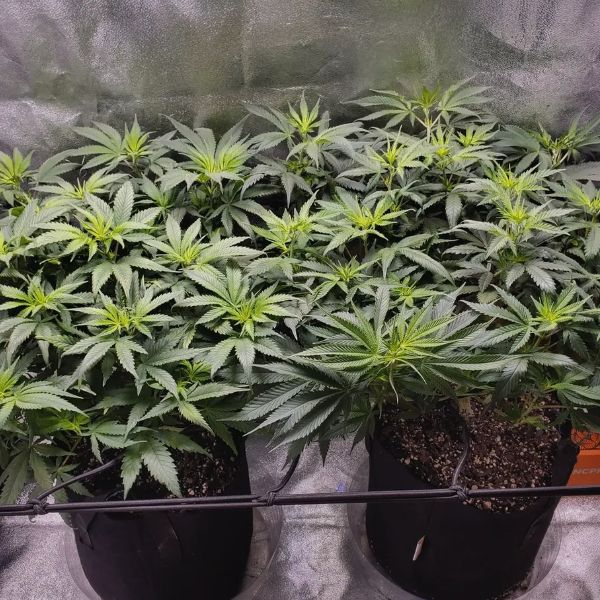
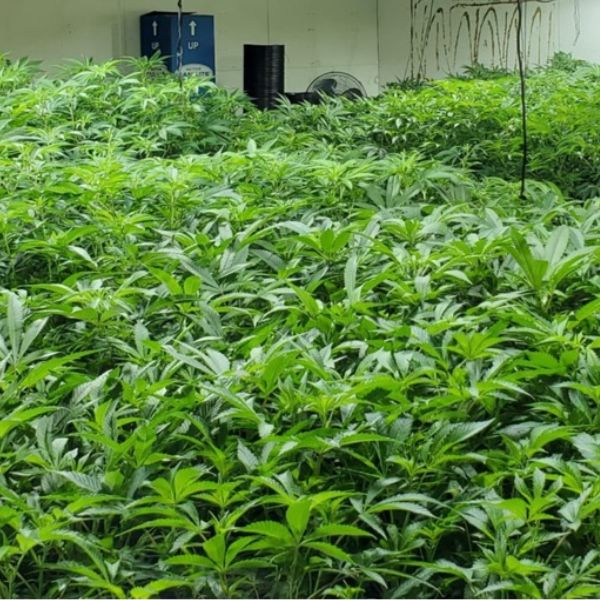
The Sea of Green method takes the opposite approach. Instead of training a few large plants over a long vegetative period, SOG uses a higher number of smaller plants with minimal veg time, typically just one to two weeks. The plants grow to a moderate height and produce a single dominant cola each, creating that characteristic "sea" of uniform tops across the canopy.
For solventless producers, SOG offers some compelling advantages that go beyond what traditional flower growers typically consider. The most significant is turnaround time. With veg periods as short as seven days for clones, you can move from planting to harvest in eight to ten weeks. That means more harvests per year, and more harvests mean more opportunities to wash hash and press rosin from fresh or fresh-frozen material.
This faster cycle also reduces electricity costs during the vegetative phase, when lights are running eighteen or more hours per day. For home hash makers running a small operation, those savings add up quickly. And for commercial wash labs that depend on a steady supply of quality starting material, the ability to run six cycles per year instead of three or four can make a meaningful difference in annual output.
Trichome Quality and the SOG Advantage
Here's where things get particularly interesting for the solventless community. SOG plants tend to produce less interior foliage and fewer larf-covered lower branches. The plant's energy is directed primarily toward that single main cola, which often develops dense, trichome-rich flowers without the need for heavy defoliation or lollipoping.
Less plant material also means less risk of contamination during ice water extraction. When you're washing hash, excess leaf matter and underdeveloped buds can release chlorophyll into the water, turning your hash green and degrading the overall quality. Starting with clean, well-developed colas reduces that risk and can lead to lighter, higher-quality loose resin in your collection bags.
Additionally, the uniformity of SOG plants simplifies the freeze-down process for those working with fresh-frozen material. When every plant is roughly the same size and at the same stage of development, you can harvest and freeze entire trays with confidence that the material is consistent in quality.
Choosing the Right Approach for Your Operation
The decision between plant training and SOG ultimately comes down to your specific goals and constraints. If you have dedicated grow space, enjoy the process of shaping plants, and are running longer wash or press cycles anyway, training can deliver exceptional starting material. If you're focused on efficiency, want to maximize the number of harvests you can process each year, and prefer a streamlined workflow from grow room to wash room, SOG is hard to beat.
It's also worth noting that the two approaches aren't mutually exclusive. Some growers run a SOG setup for their primary production runs while maintaining a smaller training area for pheno-hunting or developing new cultivars. This lets you keep the production pipeline moving while still exploring new genetics that might produce the next great hash-washing cultivar.
Regardless of which method you choose, the fundamentals of growing for solventless remain the same: prioritize trichome development, maintain a clean environment, and always think about what happens after harvest. The best hash starts with the best starting material, and how you grow that material matters just as much as how you wash or press it.
Farming Resin
At the end of the day, growing cannabis for solventless extraction is a different discipline than growing for the flower market. Every decision you make in the grow room ripples forward into the quality of your bubble hash and rosin. Whether you opt for the patient, hands-on approach of plant training or the streamlined efficiency of a Sea of Green setup, the key is growing with intention and keeping trichome quality at the center of every choice.
The Press Club is here to support your solventless journey from wash to press, with American-made bubble wash bags, rosin bags, and accessories built for hash makers who take their craft seriously. Whatever your grow style, we've got the tools to help you make the most of your harvest.
Thoughts? Let us know by joining our secret Facebook group. Hang out with a community of like-minded solventless heads like yourself. Ask our head extractor questions, share your latest press and learn from hobbyists and experts in the industry.

Leave a comment
Please note, comments must be approved before they are published