

Using Feminized Cannabis Seeds for Washing Hash

Todde Philips
🇺🇸 Retired veteran, father, rock-climbing expert & rosin connoisseur.
Feminized cannabis seeds have transformed cultivation, unlocking unprecedented efficiency and crop predictability for growers. But as the solventless extraction movement continues to gain momentum, hash makers are asking an important question. Do feminized seeds hold up when it comes to ice water hash production? For extractors who depend on premium resin quality and consistent wash performance, understanding how feminized genetics perform in solventless applications is critical to making informed cultivation decisions.
What Are Feminized Seeds?
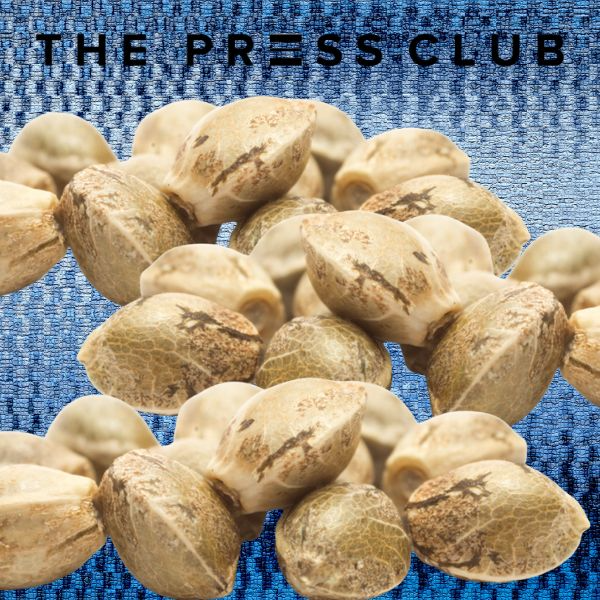
Feminized seeds are developed through selective breeding techniques that produce nearly 100% female plants. For hash makers, this means every plant in the garden has the potential to contribute resin-rich material, eliminating the possibility for males that create wasted space and the need for identification and removal.
The feminization process typically involves using substances like colloidal silver or employing ethylene inhibition methods to encourage female plants to produce pollen, which then fertilizes other females. It's important to note this is a natural breeding approach, not genetic modification. The result is a more streamlined cultivation process that appeals to both small-batch craft producers and large-scale commercial operations.
Key Qualities of Feminized Seeds for Solventless Extraction
When evaluating any genetics for hash production, certain characteristics matter far more than whether the seed is feminized or regular. Successful solventless extraction depends on trichome head size and structural integrity, resin gland density and maturity, robust terpene profiles, and how effectively the resin separates during the washing process. These critical traits are determined by phenotype expression and the breeder's selection criteria, not by the feminization process itself.
A poorly selected regular seed can underperform just as easily as a poorly bred feminized one. The genetics behind the seed, rather than the method used to create it, determine hash quality.
Resin Quality in Feminized vs. Regular Seeds
A myth in cannabis used to be that feminized seeds produce inferior or less stable resin compared to regular seeds. This misconception doesn't hold up under scrutiny. Resin potency, melt quality, and washability are phenotype-dependent characteristics that have nothing to do with whether a plant came from a feminized or regular seed.
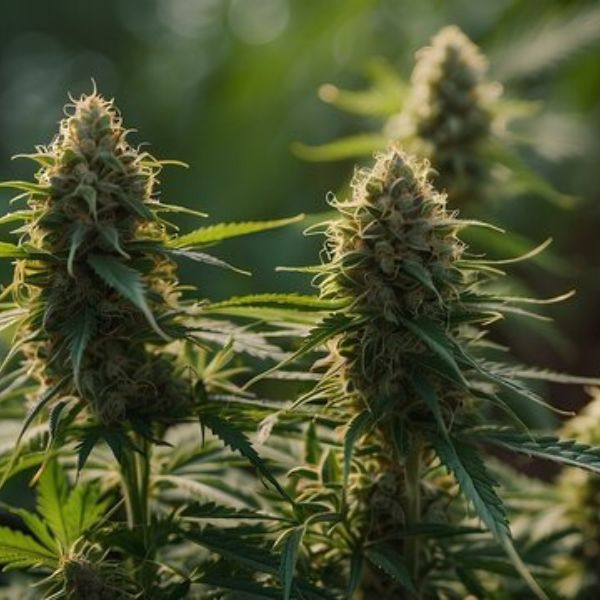
Many elite hash-washing cultivars available today come from feminized stock, and numerous award-winning extracts have been produced from feminized plants. The key is choosing genetics specifically bred and tested for solventless extraction. Feminized plants can absolutely produce full melt hash when the lineage has been selected with trichome quality and separation performance in mind.
Pros of Using Feminized Seeds for Hash Washing
Feminized seeds offer several practical advantages for solventless extractors. Efficiency tops the list, eliminating the need to identify and cull male plants saves significant time and resources in any grow operation. Consistency follows closely, as nearly guaranteed female plants allow for accurate crop planning and resource allocation.
Many cutting-edge solventless cultivars are now released exclusively as feminized seeds, giving extractors access to the latest genetics without hunting through regular seed populations. For large-scale operations where plant count regulations and space optimization matter, feminized seeds provide easier management and scalability. These benefits make feminized genetics an attractive option for hash producers focused on operational efficiency without sacrificing quality.
Cons and Other Considerations
Despite their advantages, feminized seeds come with considerations that hash makers should understand. Environmental stress can trigger hermaphroditic tendencies in some feminized lines, making it essential to source from breeders with stable genetics and maintain optimal growing conditions. Regular seeds offer broader genetic diversity for pheno-hunting and exploration, which some extractors prefer when searching for the next exceptional hash cultivar.
Not all feminized lines are bred with solventless extraction in mind. Some are optimized for flower production, so choosing breeders who specifically test for resin performance is crucial. Additionally, some of the most celebrated hash-washing genetics remain clone-only cuts originally sourced from regular seed lines, reminding us that exceptional genetics can come from any breeding approach.
How Solventless Extractors Should Approach Feminized Seeds
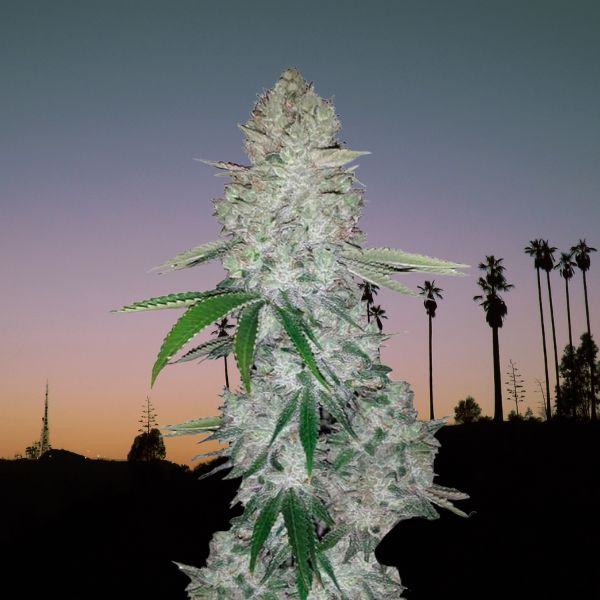
Smart hash makers treat feminized seeds with the same careful evaluation they'd apply to any genetics. Seek out breeders with documented success producing washable feminized strains and proven track records in the solventless community. Test small batches before committing to large-scale runs, evaluating each phenotype for melt quality, yield performance, and terpene preservation.
Approach feminized seed runs as serious pheno hunts rather than guaranteed winners, which means to scrutinize wash results, resin color, and final product quality just as rigorously as you would with regular seeds. Many award-winning hash makers successfully incorporate feminized genetics into their gardens, proving these seeds can perform at the highest levels when chosen thoughtfully.
Conclusion
Feminized seeds have earned their place in the solventless extraction space, but success depends on selecting genetics bred specifically for resin production. The real question isn't whether a seed is feminized, it's whether the resulting plant produces resin that performs beautifully under ice water and agitation.
For hash makers willing to do their homework, test thoroughly, and work with reputable breeders, feminized seeds can deliver exceptional results. Stay open-minded, trust your own testing process, and remember that outstanding hash comes from outstanding genetics, regardless of how those seeds were produced.
Thoughts? Let us know by joining our secret Facebook group. Hang out with a community of like-minded solventless heads like yourself. Ask our head extractor questions, share your latest press and learn from hobbyists and experts in the industry.

Leave a comment
Please note, comments must be approved before they are published