

The Truth Behind That Foam on Top of Your Wash

Cannabis enthusiast and student of the art of solventless extraction
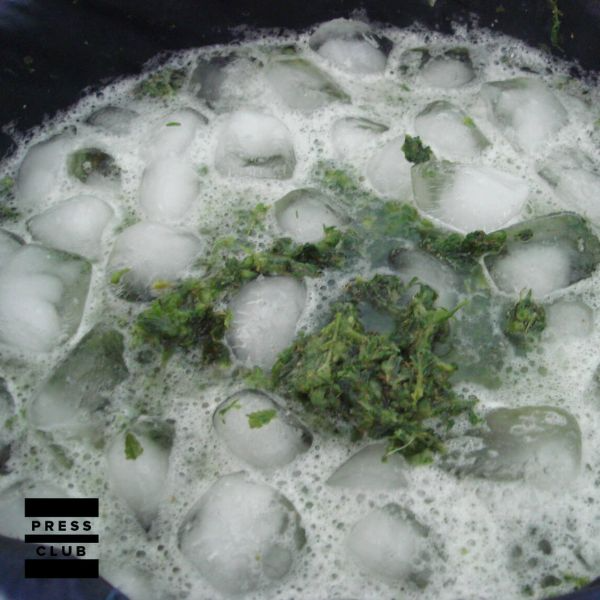
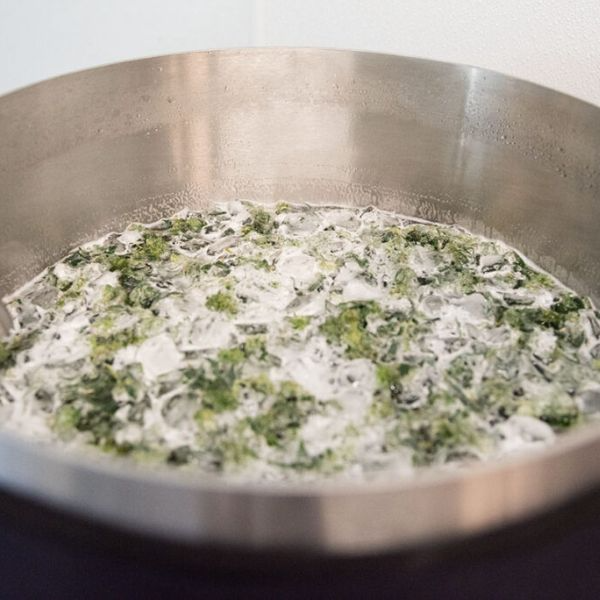
Every hash maker has stood over a wash bin and watched a thick cap of white foam build up on the surface. Some have been taught that foam means a wash is overloaded with chlorophyll. Others insist it is a sign of terpene loss, or that it carries no meaning at all. For a process this widely practiced, it is surprising how little verified information exists about what foam actually contains. Most of what circulates in forums and group chats is opinion repeated until it sounds like fact.
That changed recently when an independent lab actually tested wash foam using untargeted metabolomics, a method that profiles every detectable compound in a sample rather than searching for a specific target. The results offer the clearest picture yet of what is happening at the surface of your wash water, and they complicate a few long-held assumptions along the way.
What the Testing Actually Found
The analysis identified more than thirty distinct compounds in the foam, and they break down into a few useful categories.
The most abundant signal came from a plant sugar alcohol involved in cellular metabolism. On its own, this compound has no real foaming ability. Its presence simply confirms what most experienced washers already suspected: agitation is rupturing plant cells and releasing their interior contents into the water. Foam, in other words, is partly a byproduct of cell breakdown, not a direct cause of it.
Alongside that, the test picked up glycoproteins, plant proteins, a handful of terpenes, trace cannabinoids, and several long-chain fatty acids. These compounds are genuinely surface active, meaning they can migrate to the air-water boundary and help stabilize bubbles. Even so, the lab's conclusion was that none of them were the primary driver of the foam structure itself. They contribute, but they are not running the show.
The real standout came from a category nobody expected, which was silicone-based compounds. Two were identified, and both are aggressively surface active, far more so than anything plant-derived in the sample. They concentrate at the air-water interface and stabilize bubbles more effectively than the proteins, lipids, or terpenes combined. Silicone compounds also register unusually strong signals in this type of testing, which means their outsized presence in the data does not necessarily reflect an outsized presence in the wash itself. Even in small actual quantities, they punch above their weight.
These compounds are not naturally produced by the cannabis plant. The leading explanation points to silicone-based wetting agents sometimes used in foliar applications during cultivation, residue that survives drying and curing and then washes into solution during extraction.
Should Hash Makers Be Concerned
Here is the part that should bring some relief. Silicone compounds of this kind only persist in a water-based environment. Once hash moves through the freeze-drying or air-drying process, those compounds do not carry over into the finished product. The foam you see floating on your wash water is not an indicator of what ends up in your jar.
The testing also turned up a secondary measurement worth noting: free available nitrogen, which reflects amino acids and small peptides in the wash water. The level detected was comparable to what you would find in fruit juice or beer, which is not insignificant from a chemistry standpoint. But that nitrogen lives in the water and foam, not in the trichome heads captured in your micron bags. The rinsing that happens during collection separates the hash from the surrounding liquid, including whatever nitrogen, chlorophyll, or other water-soluble compounds are floating in it.
What This Means for Your Process
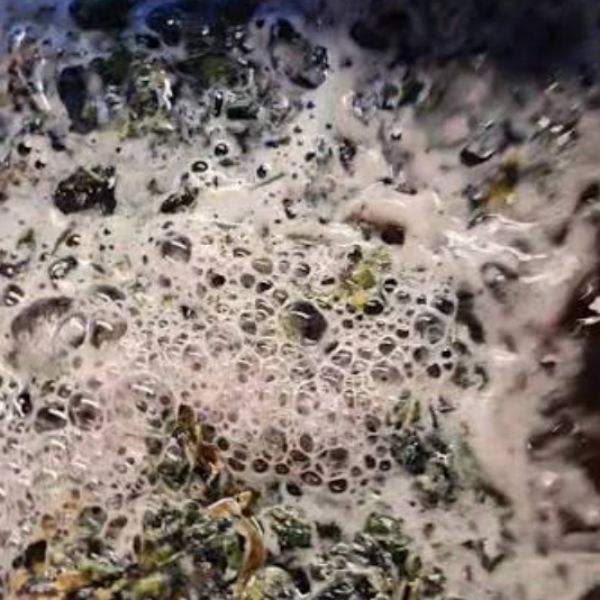
None of this means foam should be ignored entirely. Heavier foam still points to more aggressive cell rupture, which is worth paying attention to if you are dialing in agitation time or trying to protect trichome integrity during a wash. But the long-running idea that foam itself is a contaminant riding along into your finished hash does not hold up. It is closer to a signal of what is happening in the water than something to wash, scoop, or skim out of fear.
This kind of testing is rare in the solventless space, and it is a good reminder that careful agitation, clean source material, and quality sieving tools still do more for your final product than any theory floating around online. The fundamentals of a good wash have not changed. What has changed is that we now have a little more clarity about what that foam is actually telling us.
Conclusion
Understanding the chemistry behind a wash does not just satisfy curiosity. It helps hash makers make better decisions about technique, timing, and material handling. The Press Club is built around that same principle: giving home and commercial extractors the tools and knowledge to produce premium solventless hash with confidence. Browse our bubble wash bags and rosin pressing accessories at thepressclub.co to keep your process dialed in from the first wash to the final press.
Thoughts? Let us know by joining our secret Facebook group. Hang out with a community of like-minded solventless heads like yourself. Ask our head extractor questions, share your latest press and learn from hobbyists and experts in the industry.

Leave a comment
Please note, comments must be approved before they are published