

How To Prepare Trays for the Freeze Dryer

Cannabis enthusiast and student of the art of solventless extraction
The best possible results from the freeze dryer require a critical step that too often gets overlooked, especially when hash makers are first getting used to using a freeze dryer. This step is properly preparing your freeze dryer trays. How you load your trays can make the difference between a flawless batch and a frustrating experience with inconsistent quality. Let's walk through the process step by step.
Why Proper Tray Preparation Matters
Before we dive into the how-to, it's worth understanding why tray prep is so important. When you spread ice water hash unevenly across your freeze dryer trays, you're setting yourself up for several potential issues. Thicker clumps of material take significantly longer to dry completely, which means you'll need to run longer cycles. This wastes both time and energy, two resources that commercial and home extractors alike need to manage carefully.
Meanwhile, the thinner sections of your hash may become over-dried during these extended cycles. Over-drying can degrade delicate terpenes and alter the final texture of your product in ways that aren't easy to reverse. You might end up with some portions that are perfectly dried while others still retain moisture, creating an inconsistent batch that's difficult to process further or store properly.
Beyond quality concerns, proper tray preparation also maximizes efficiency. When you spread your material evenly and utilize the full surface area of each tray, you can process more hash per cycle. For anyone running a commercial operation or even a serious home setup, this increased throughput adds up quickly.
Step-by-Step Tray Loading Process
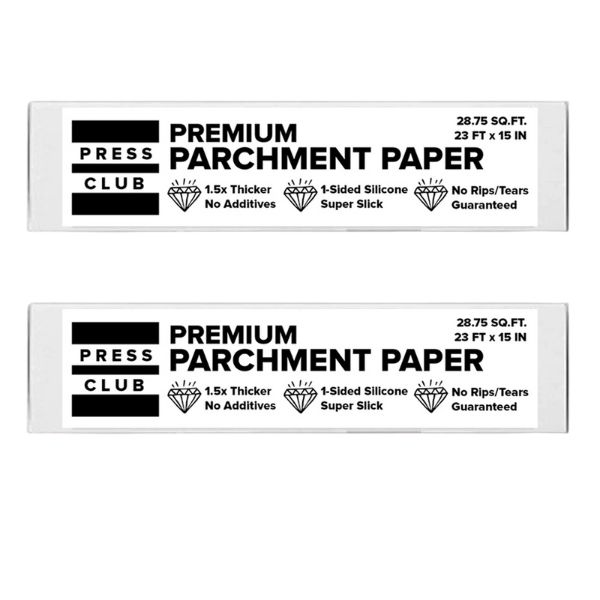
1. Line Your Trays with Parchment Paper Start by lining each freeze dryer tray with unbleached parchment paper. This prevents your ice water hash from sticking directly to the metal surface, making collection much easier once the cycle is complete. Make sure the parchment lies flat without wrinkles or folds that could create uneven surfaces.
2. Spread a Thin, Uniform Layer
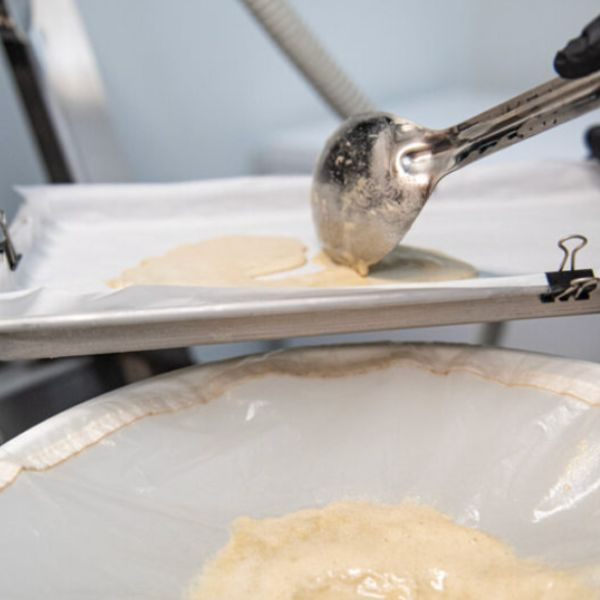
This is where technique really matters. Take your ice water sieved material (often called "pancake mix" at this stage due to its consistency) and spread it across the parchment-lined tray in a thin, even layer. The material should still contain enough moisture to spread easily. Think of it like spreading cake batter, you want consistent coverage from edge to edge without thick spots or bare patches.
The ideal consistency for spreading is similar to runny pancake batter. If your material is too dry at this stage, it becomes difficult to spread evenly. If it's too wet, it may take longer to freeze dry, though having some moisture is necessary for the freeze dryer to work effectively.
3. Level the Material
Once you've spread your hash across the tray, gently tap the tray on your work surface to help level the layer and eliminate any variations in thickness. This simple step ensures that every part of the material will dry at roughly the same rate. Pay attention to the edges and corners, where material sometimes accumulates unevenly during the spreading process.
At this point, you can place completed trays in a freezer while you prepare additional trays. This is especially helpful when working with larger batches, allowing you to prep multiple trays before running the freeze dryer.
4. Optimize Your Freeze Dryer Settings Different materials may require different freeze dryer settings, and every machine operates a bit differently. Reputable freeze dryer manufacturers provide training and guidance specific to their equipment. Take advantage of these resources to dial in your process. The right settings ensure efficient drying without compromising quality.
The Consistency Factor
Getting your ice water hash to the right consistency before loading trays is an art in itself. After collecting your material through the sieving process, it should have a texture that allows for easy spreading. Too much water removal before tray loading makes spreading difficult and can create clumps. Not enough water removal, and you'll have pooling issues on your trays.
Many experienced hash makers describe the ideal consistency as similar to thick pancake batter, slightly runny but not watery. This allows the material to spread smoothly while still maintaining enough structure to create an even layer.
Maximizing Your Freeze Dryer Investment
Whether you're running a small home setup or a commercial facility with industrial-grade equipment, proper tray preparation helps you get the most out of your freeze dryer. Consistent technique leads to consistent results, which is essential for building a reputation in the solventless community.
Creating premium solventless concentrates requires attention to detail at every stage of the process. From ice water extraction through freeze drying and rosin pressing, each step builds on the last.
Thoughts? Let us know by joining our secret Facebook group. Hang out with a community of like-minded solventless heads like yourself. Ask our head extractor questions, share your latest press and learn from hobbyists and experts in the industry.

Leave a comment
Please note, comments must be approved before they are published